Children Who Went to Mongolia: In Search of Traces of North Korean War Orphans
Translated from Korean by AI.
197 North Korean War Orphans Sent to the Mongolian Steppe: Meeting 75-year-old Grandmother Toya Who Protects Their Traces
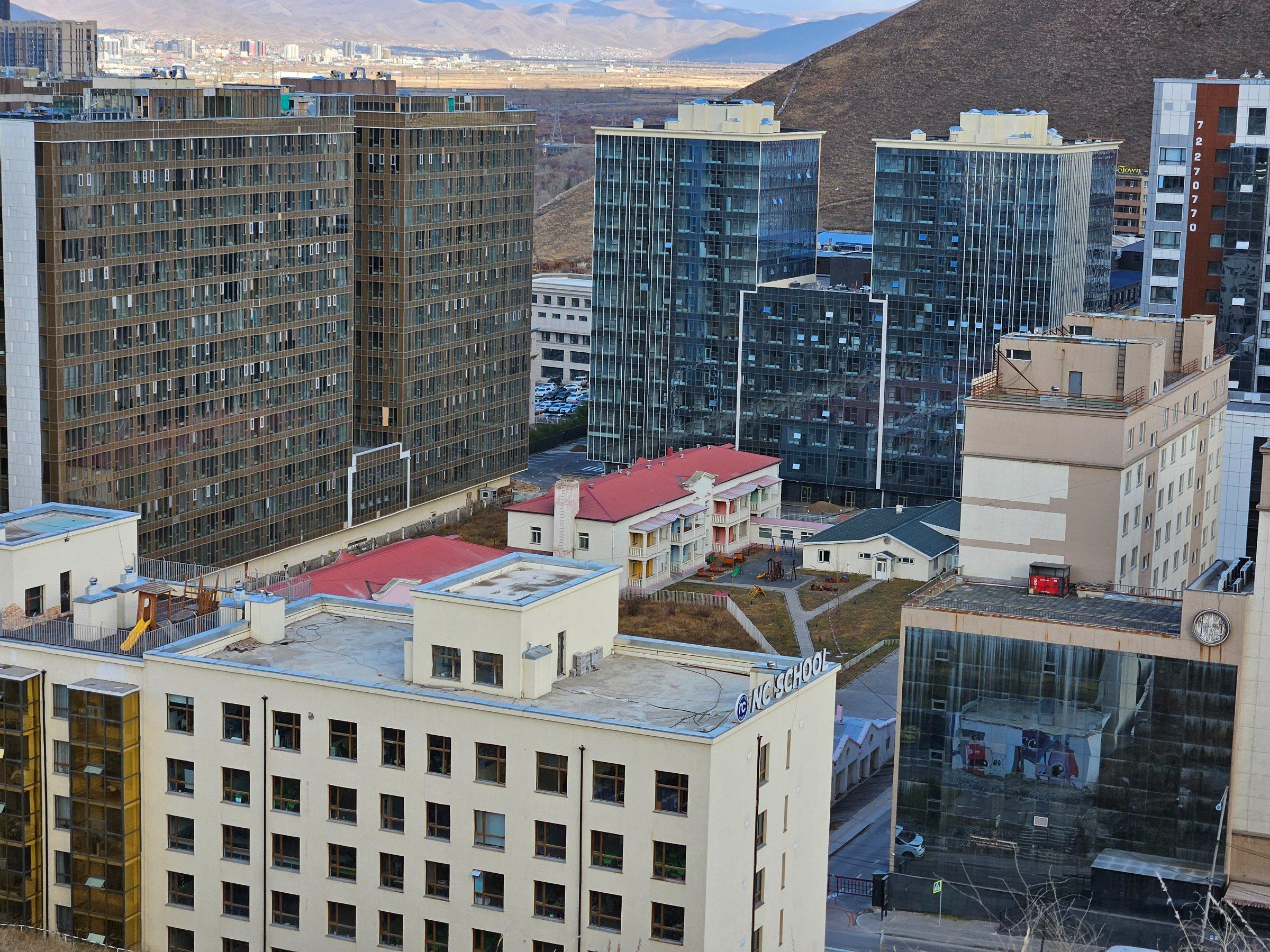
Climbing the Zaisan Memorial, south of Ulaanbaatar, offers a panoramic view of the city. Most of that landscape is a construction site. Cranes pierce the sky, and glass-clad high-rise apartments rise day by day. Mongolia's capital is currently changing its skyline at an incredibly rapid pace.
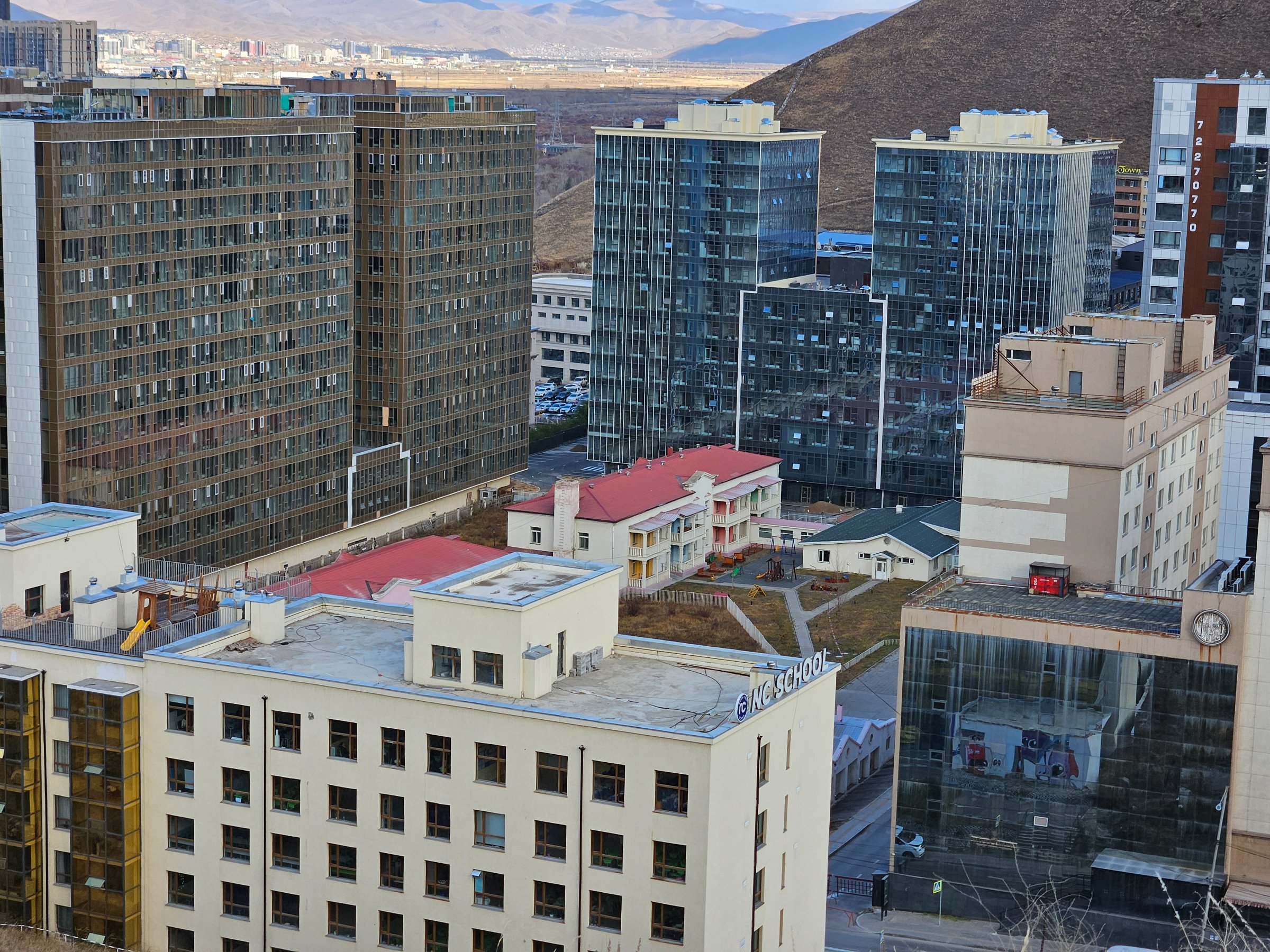
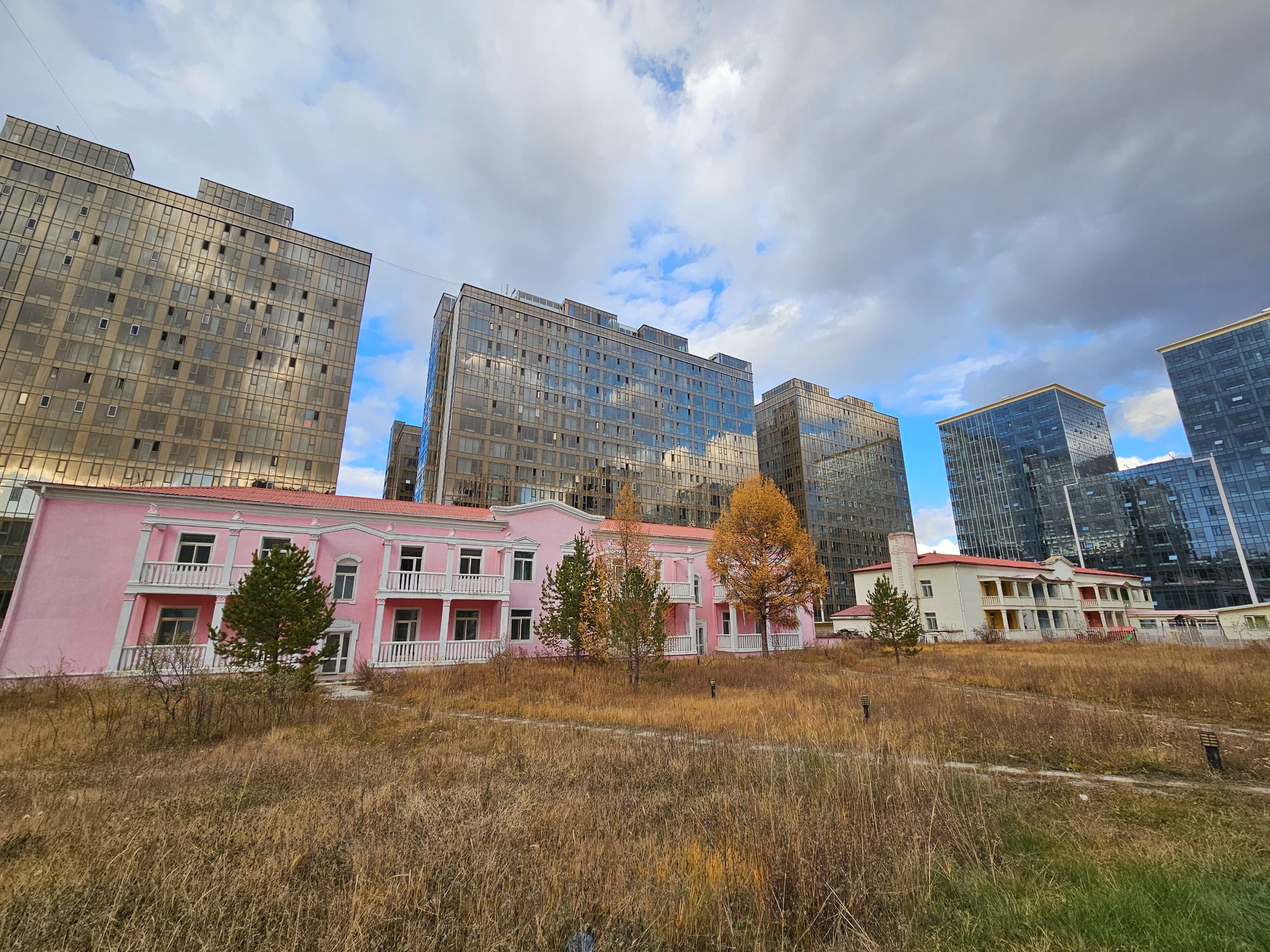
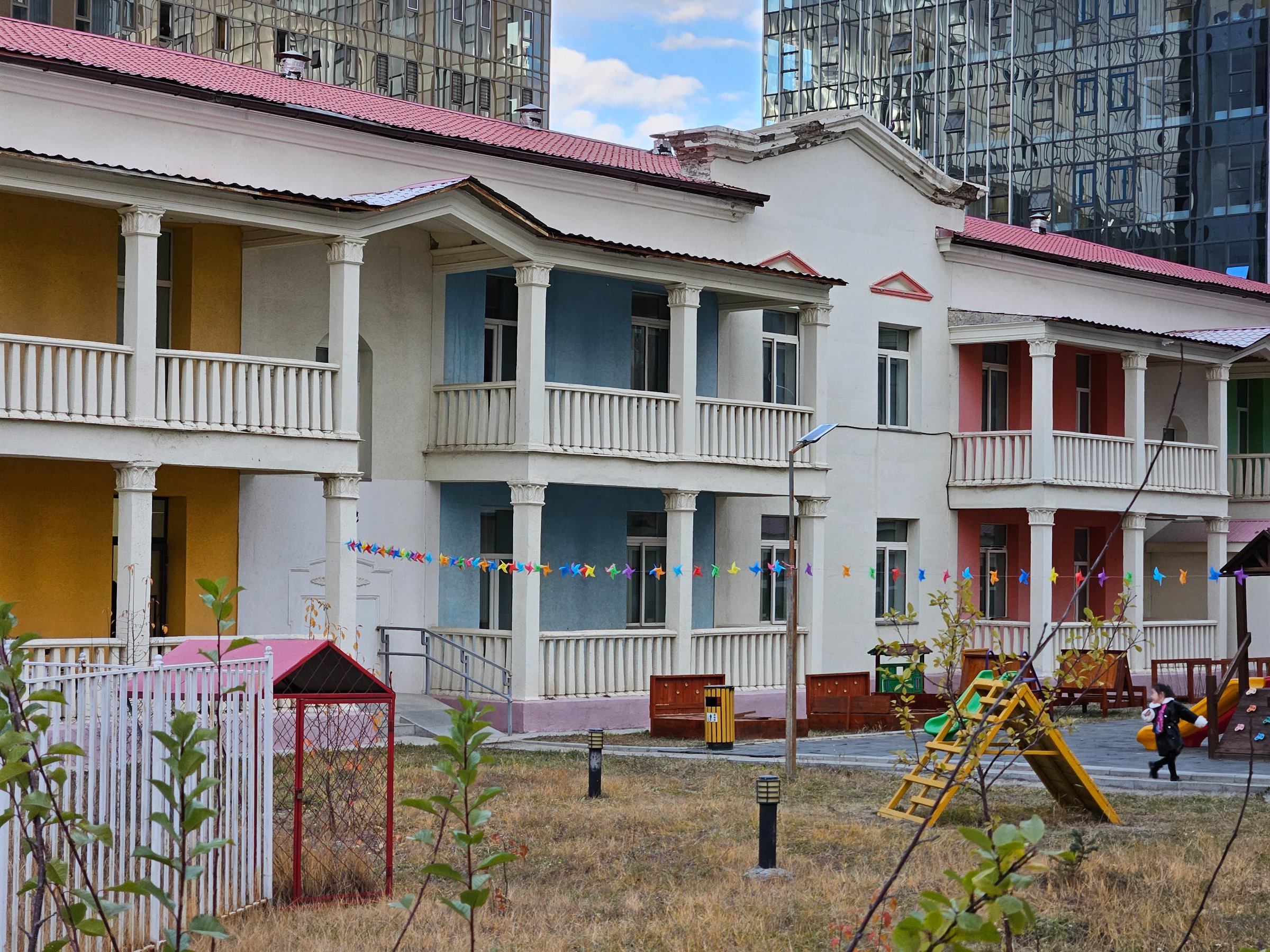
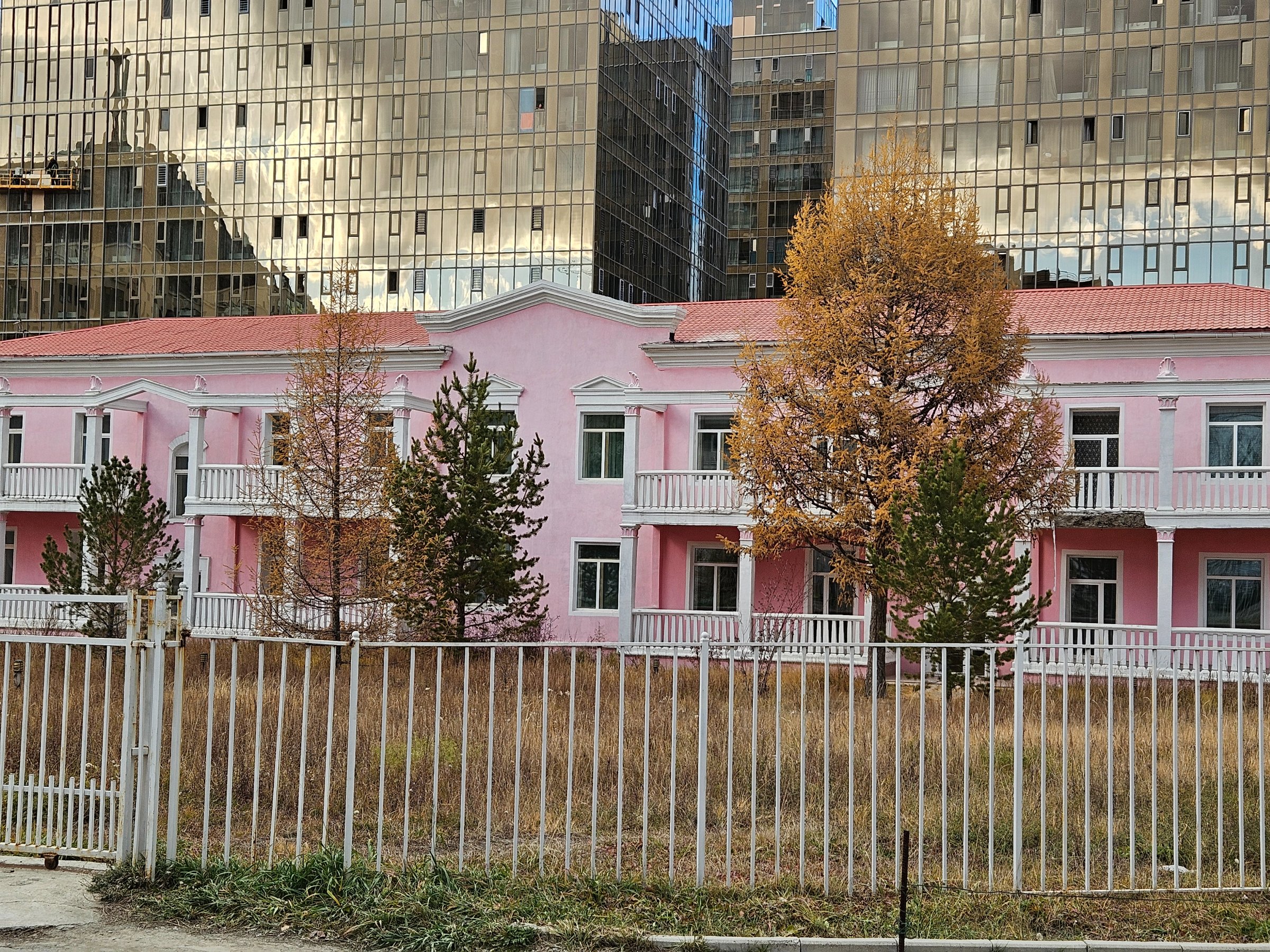
Looking down from the Zaisan Memorial, an old building catches the eye amidst the newly constructed high-rise apartments. It's a low-slung, two-story Russian-style building with thick stone exterior walls. Among the gleaming new buildings, this one looks like a guest who has wandered in from a different era. This is the home where 197 North Korean war orphans, who arrived here 74 years ago, once lived.
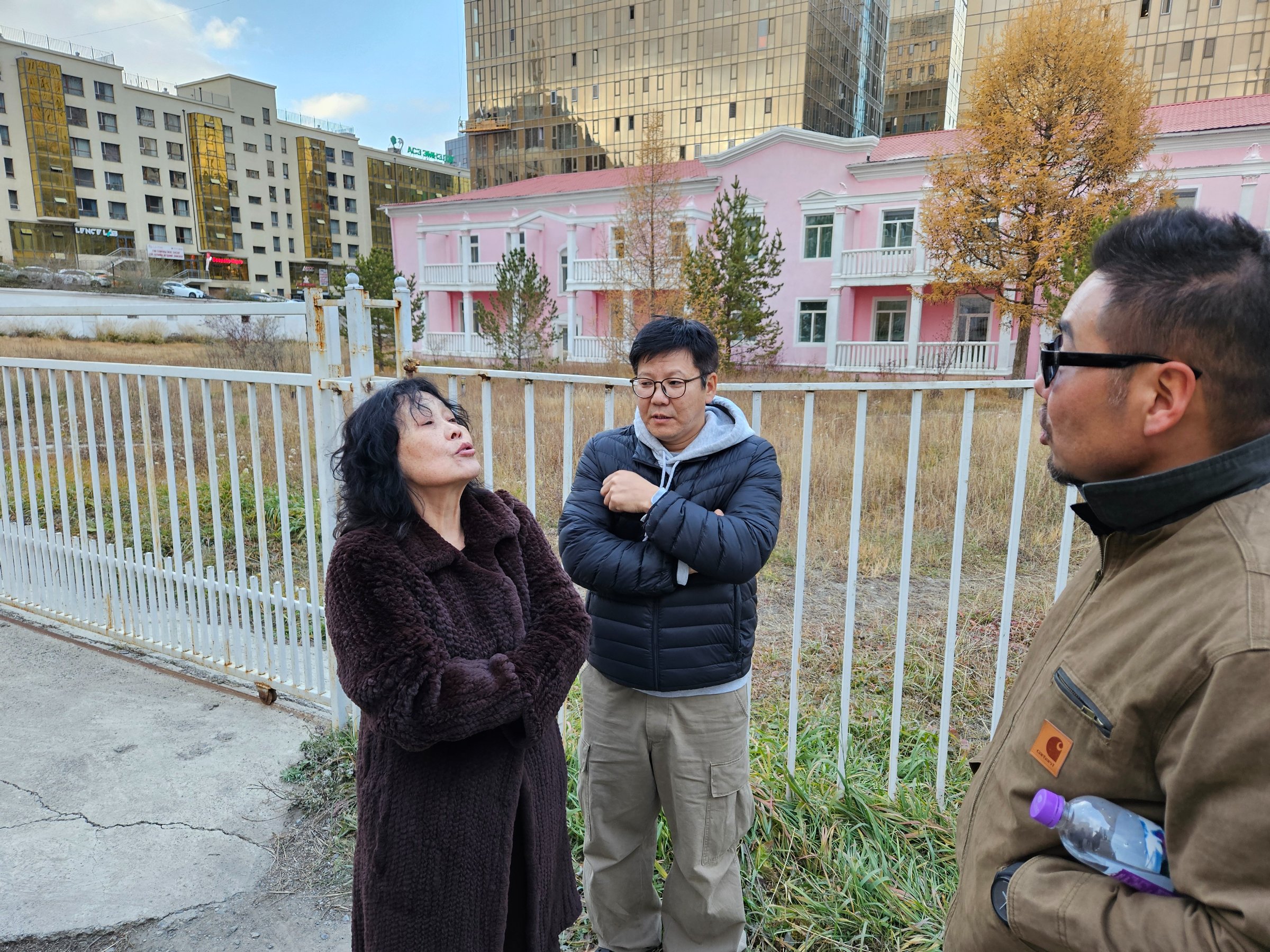
There, we met Grandmother Toya, who is 75 years old this year – a coincidence too astonishing to be just that. 'Toya' means 'ray of light' in Mongolian. She is the owner and caretaker of this building. Even as neighboring plots are sold off one by one, and developers approach her with calculations of "how much could be earned by putting a building here," she shakes her head. Currently, a part of this building is used as a kindergarten for local children.
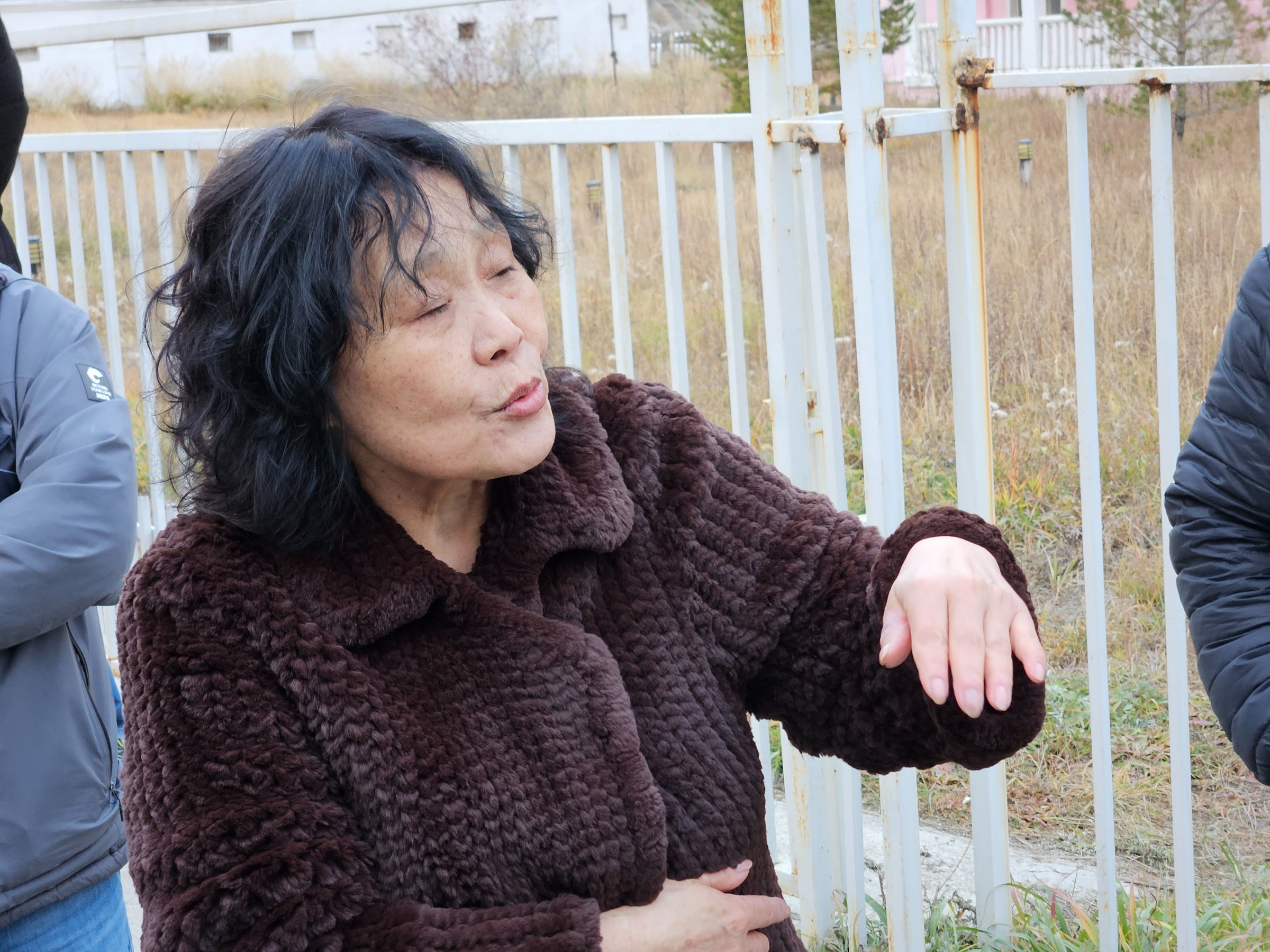
“This place was built for children from the very beginning, and it was filled with their laughter. No matter how the surroundings change, the framework of this history cannot be carelessly torn down.”
The 'children' she speaks of are not just the kindergarteners attending this building now. They are the North Korean children who came here over 70 years ago, fleeing the war on the Korean Peninsula.
Children Who Came 2,000km Away in 1952
The story of this building begins right after World War II. According to Grandmother Toya's testimony, the building was constructed with the labor of Japanese people detained in Mongolia after the war and with Soviet capital. It was originally built as a recreation facility for Communist Party officials. Then, in 1952, the building's fate changed. The Korean Peninsula was in its third year of war. As children who had lost their parents flooded the streets, the North Korean government decided to entrust these children to 'fraternal socialist countries.' Tens of thousands of children were scattered across China, Poland, Hungary, Czechoslovakia, Romania, and East Germany. And one branch of that procession headed for the Mongolian steppe.
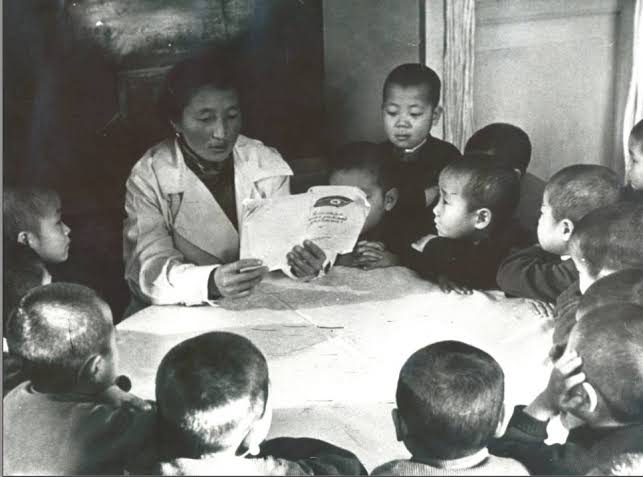
197 children arrived in Mongolia. This stone building became their new home. Of the two buildings, the left one housed the teachers who cared for the children, while the children lived together in the other. It was a foreign land where they didn't speak the language, and winter temperatures dropped below -30 degrees Celsius. According to Mongolian records, six children passed away during their first winter. The reason for their deaths is not recorded, but Grandmother Toya shared a story not found in the records.
“Children who went out to play on the foothills of the back mountain were bitten by snakes and died. On that hill you see over there. We buried the children there. Until recently, there were graves there. Now, they're all gone due to redevelopment...”
Nevertheless, the Mongolian people raised these children with great care. They fed them, educated them, and treated them when they were sick.
Kim Il-sung's Visit, and the Camera
In July 1956, Kim Il-sung visited Ulaanbaatar. He also stopped by this orphanage. A documentary film produced in Mongolia at the time, <Distinguished Guest from a Neighboring Country>, shows children performing traditional Mongolian dances to welcome the 'distinguished guest' Kim Il-sung. The children on screen are smiling. But that scene was also a stage. A propaganda scene showcasing the 'blood alliance' between two socialist countries. The longing and unfamiliarity the children had to endure after the cameras were turned off were not captured anywhere on film.
May 1959, Sudden Repatriation Order
Seven years passed. The children spoke Mongolian, ate Mongolian food, and sang Mongolian songs. To the Mongolian teachers, the children were now like their own. In May 1959, a recall order came from Pyongyang. Around the same time, North Korea also recalled all the orphans and students it had sent to various Eastern European countries. It was part of a crackdown on the system. Mongolian teachers cried and tried to hold them back, but the children boarded the train bound for North Korea. Most of the children returned to North Korea, but it is rumored that about 10 children remained in Mongolia and were adopted. After that, contact between Mongolia and the children who returned to North Korea largely ceased. However, there is an interesting epilogue. Some of the children who returned later, as adults, set foot on Mongolian soil again as embassy officials or exchange students. It was as if the steppe where they spent their childhood had called them back.
Locally, there is also a story that one of these children settled in Mongolia and worked as a professor at the Mongolian University of Science and Technology (ШУТИС·MUST). His name is Tomurbataar. With a Mongolian name, he is living proof that the scars of the Korean War reached beyond the Korean Peninsula, right into the heart of the Eurasian steppe.
“I decided my name would be Kim Joseon. Because I am from Joseon.”
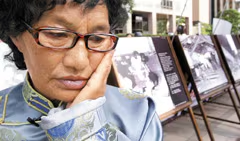
Kim Joseon (then 63 years old, Mongolian name Samdang Tserenkhand), one of the orphans left in Mongolia, visited Korea in 2011. She only remembers her surname Kim (金) and that she was from Pyongyang, North Korea. She was 4 years old when she arrived in Mongolia as a war orphan. Most returned to North Korea seven years later, but she was adopted in Mongolia in 1956 and reportedly lived like a housemaid. She attended school only until the third grade of elementary school before dropping out, and subsequently lived a difficult life. With the help of Koreans who learned that North Korean war orphans still lived in Mongolia, she set foot on her homeland on the Korean Peninsula after 59 years. Upon arriving in her homeland, she expressed her gratitude to those who have not forgotten the war orphans.
A Bond Unbroken Even as Systems Changed
In 1990, Mongolia peacefully abandoned socialism. It chose democracy and a market economy, establishing diplomatic relations with South Korea in the same year. Relations with North Korea immediately froze. Around the time of President Kim Dae-jung's state visit to Mongolia in 1999, both countries successively closed their embassies in each other's capitals. However, Mongolia did not completely close its doors. It reopened its embassy in Pyongyang in 2004, subsequently establishing itself as one of the few countries that could engage in dialogue with both North and South Korea. There have even been instances where North Korea and the United States, and North Korea and Japan, met on Mongolian soil.
In the interim, this stone building also changed its purpose several times. For a while, it was vacant, and it was also used as a children's hospital. Then, from 2017, it became a kindergarten again. The corridors where North Korean children played 70 years ago are now bustling with Mongolian children. It is remarkable that this building has continuously been used as a space for children since it served as a shelter for war orphans.
The Old Orphanage's Question to the Korean Peninsula
What Grandmother Toya seeks to protect is not just old bricks. It is the memory of how the Cold War treated children, and how a society embraced unfamiliar children. Mongolia started from the same socialist bloc as North Korea. It raised war orphans, sent troops, and swore a blood alliance. Then, it changed its own path. It transitioned its system without bloodshed, and yet did not close channels of dialogue with its old allies.
This experience may not be directly applicable to North Korea. The conditions under which the two countries have walked their paths are very different. Nevertheless, Mongolia is one of the few countries with which North Korea can engage in dialogue without feeling 'threatened.' When North Korea eventually emerges from isolation, the experience of this neighbor, who walked that path first, could serve as a valuable reference.
As dusk fell, kindergarten children were leaving the building, holding their parents' hands. The last rays of sunlight shone on the white stone walls. Where are the 197 children who cried and laughed within these walls 70 years ago? Grandmother Toya continues to protect this building today, hoping for the day when that question can be answered.
Comments 0
Please log in to write a comment.