Embracing North Korea from the Land of the Steppe
The Story of the Ulaanbaatar North Korea Prayer Team (UBNK)
Wednesday Evening in a Small Room in Ulaanbaatar
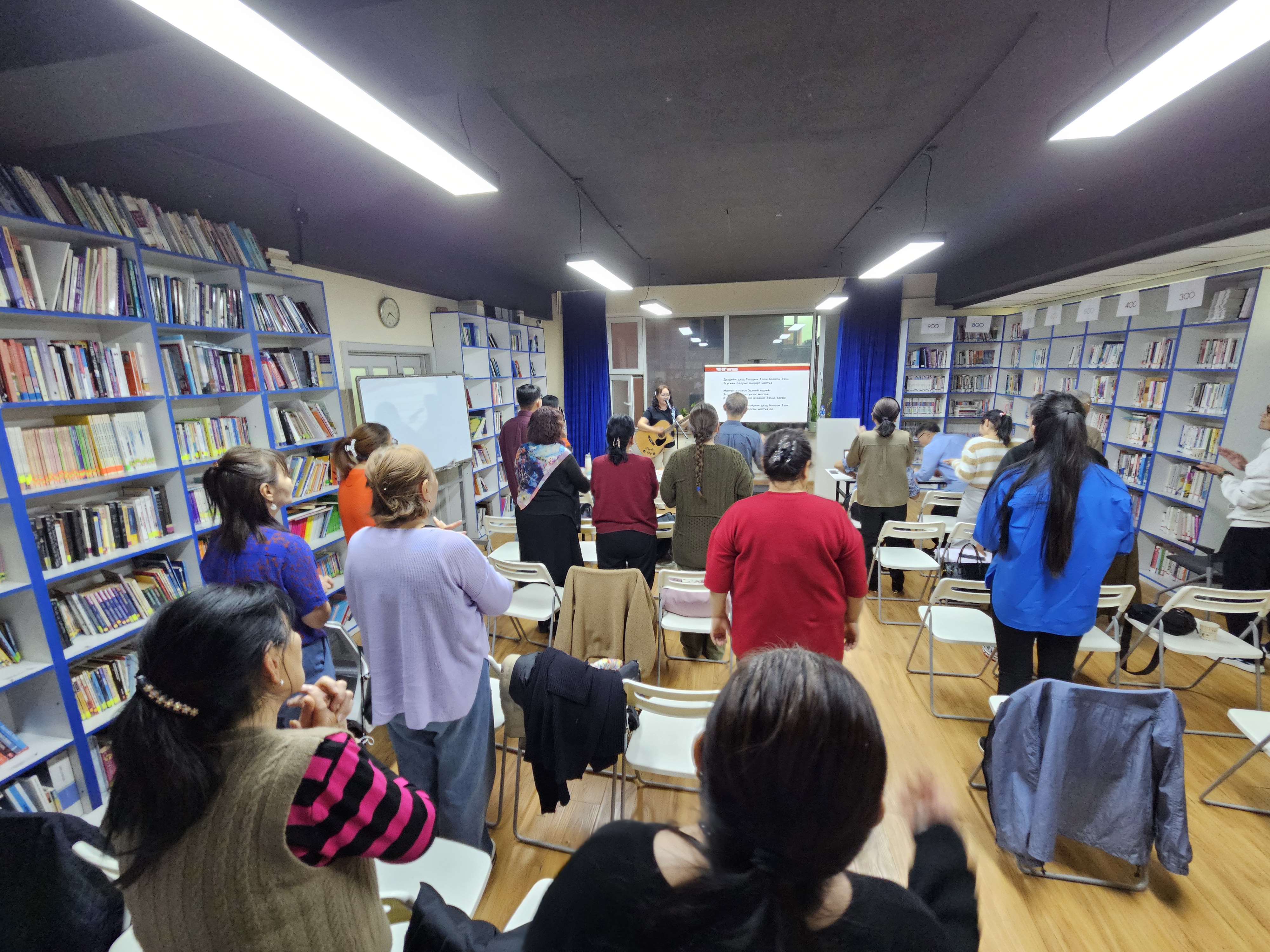
At 6:30 on a Wednesday evening, the warm scent of tea fills a small room in Ulaanbaatar. One by one, young Mongolians and believers arrive after a long day’s work, sharing snacks and catching up on one another’s week. It is a small gathering of about fifteen people.
At 8:30, the atmosphere shifts. The laughter fades, and every head bows. Their prayers are not for their own country but for a nation beyond the border: North Korea.
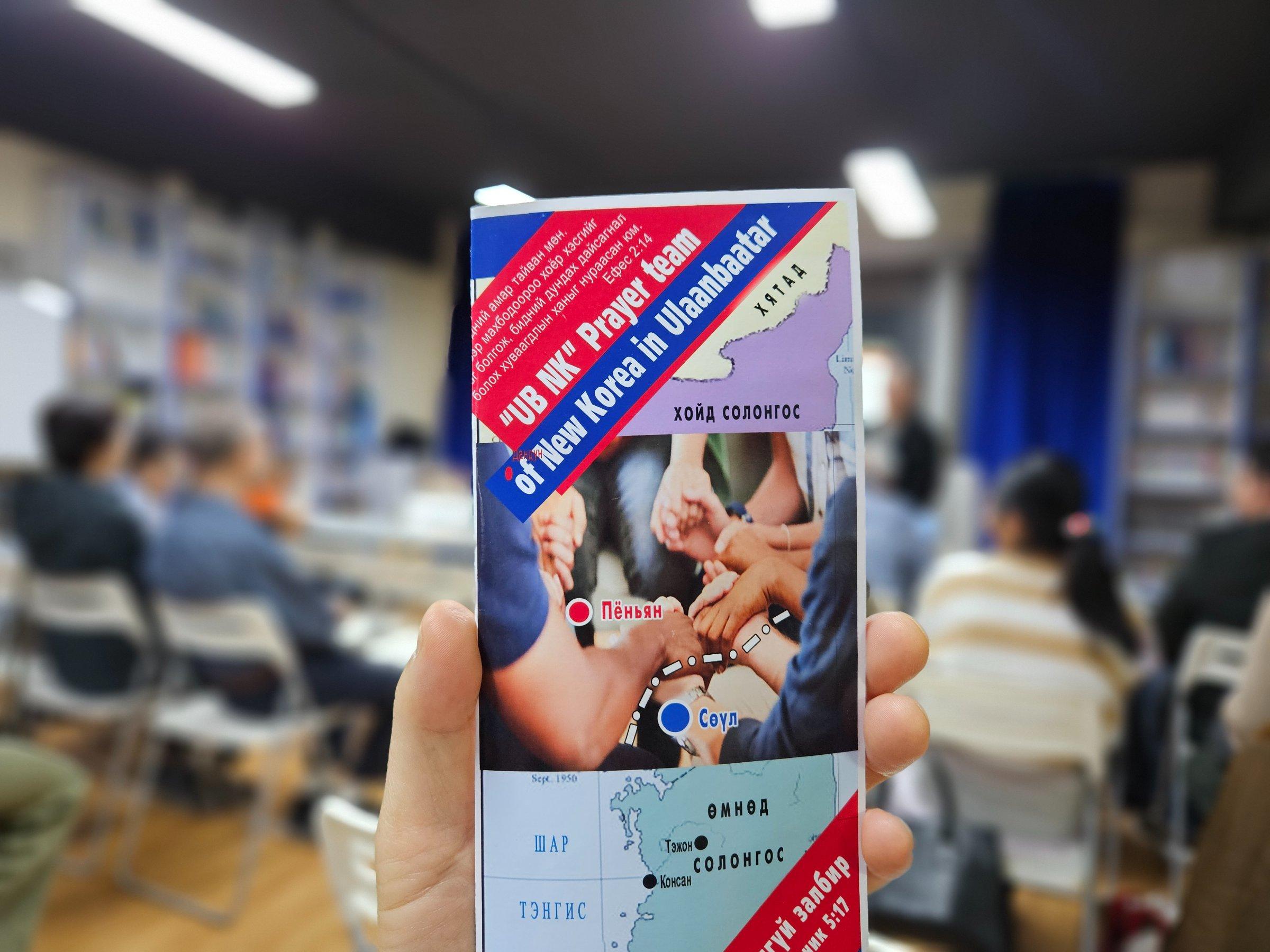
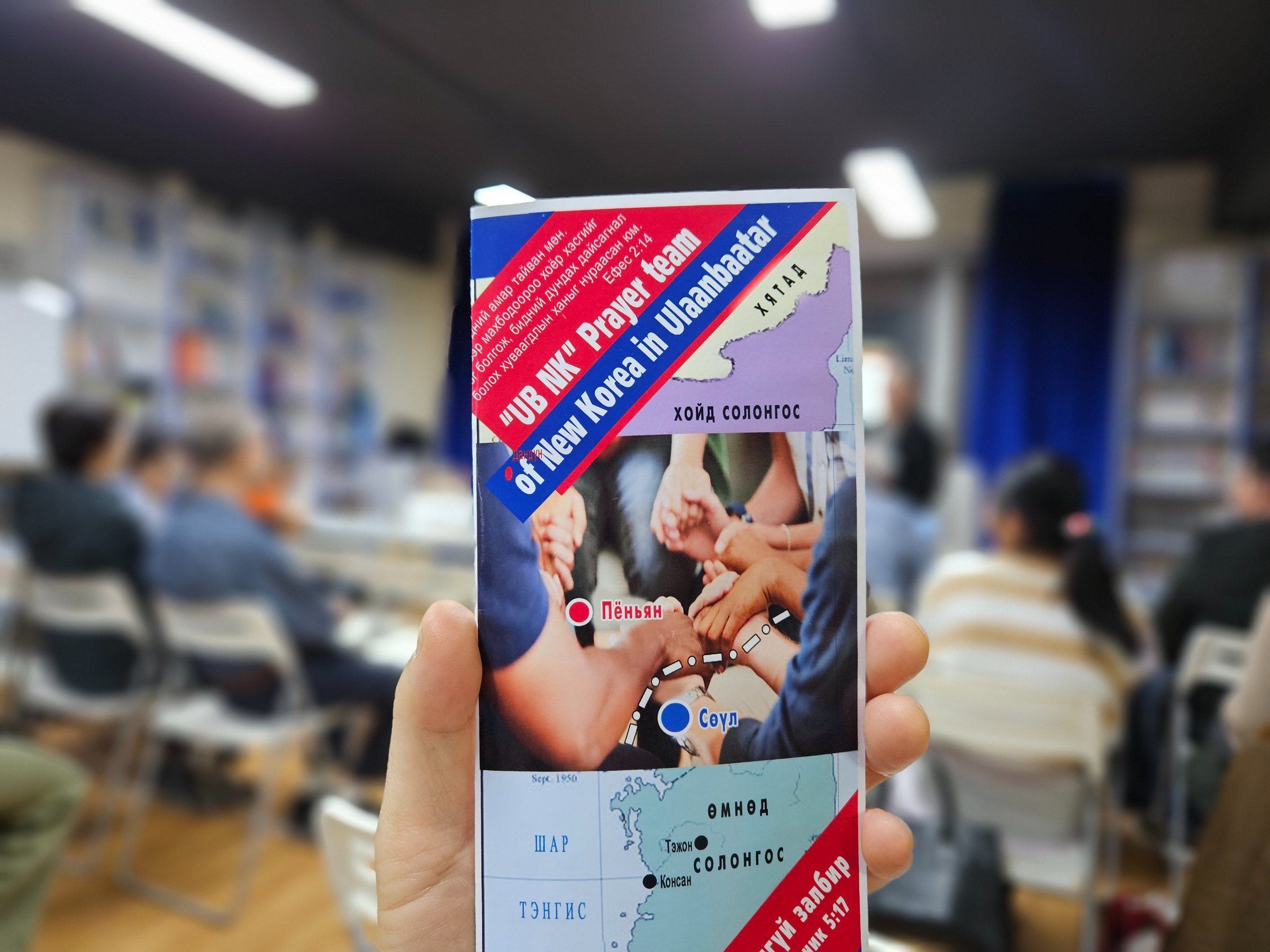
The gathering is called the Ulaanbaatar North Korea Prayer Team, or UBNK. It belongs to no single mission agency or church. Lay believers from many congregations come together across denominational lines in a shared movement of prayer.
Thirty People, Three Nights
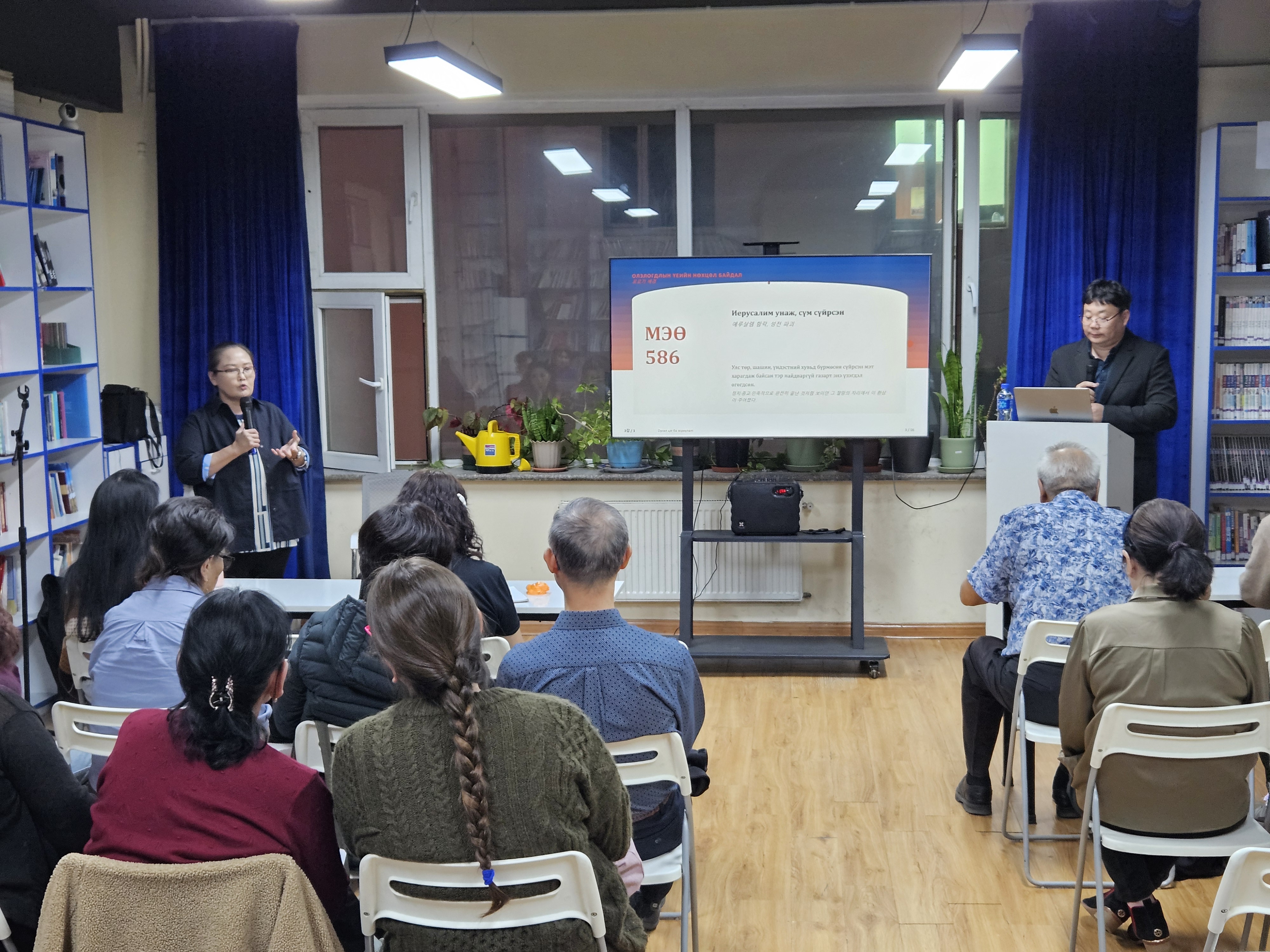
From October 7 to 9, UBNK held a three-evening seminar on North Korea, led by a North Korea specialist invited from abroad. The purpose was clear: to pray more deeply for North Korea, one must first understand it rightly.
Special seminars like this have typically drawn 70 to 80 people. This time, with several other events falling in the same week, about thirty attended. The turnout was smaller than usual, but those who came returned night after night to learn about North Korea’s realities and to pray together.
A Bond Forged 78 Years Ago
Mongolia and North Korea share deep ties. In October 1948, Mongolia became the second country, after the Soviet Union, to establish diplomatic relations with North Korea. In 1952, in the midst of the Korean War, it took in and raised around 200 North Korean war orphans. Even after the Cold War ended and the two countries’ political systems diverged, Mongolia remained one of the few nations to maintain relations with both Koreas.
![몽골에서 공부하는 한국전쟁고아들의 여름캠프를 방문한 김일성. [중앙일보 자료사진]](https://djhurlygfzkmr.cloudfront.net/article/2026/10/11/f8bbe893-2d2d-46b8-b07d-f19dfde1bd55.png)
What the Gobi Desert Remembers
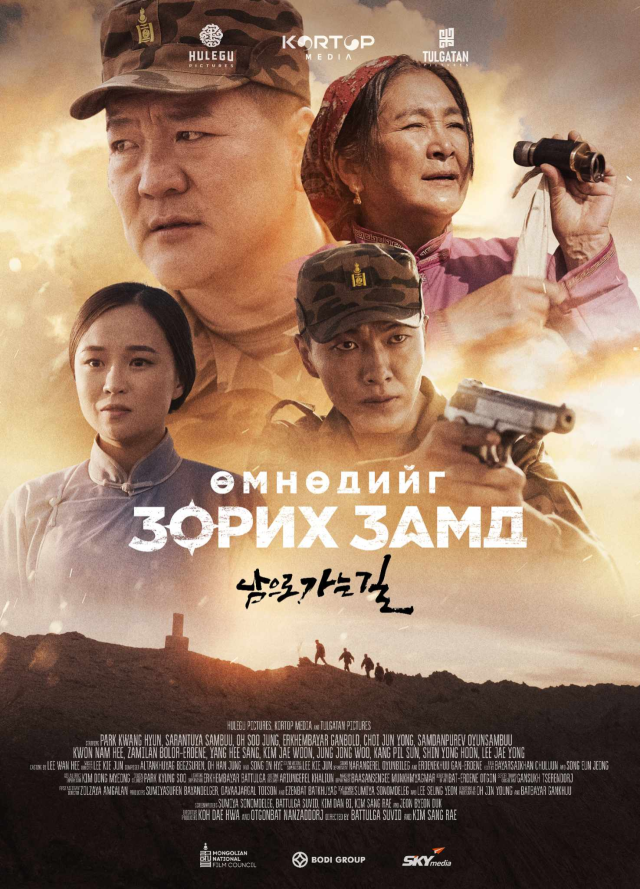
Mongolia’s bond with North Korea has another face: the story of those who crossed the desert in search of freedom.
In the 2000s, some North Korean defectors chose to travel through China and walk across the Gobi Desert into Mongolia. Unlike China, Mongolia did not send defectors back to North Korea. It sent them on to South Korea, so reaching Mongolian soil meant freedom. But the journey was brutal. Scorching days and bitter nights bore down on them. Some ran out of water, others lost their way, and a good number never made it across. In 2003, word came that a North Korean boy on his way to reunite with his father in South Korea had died of exhaustion in the Mongolian desert. As Chinese authorities tightened their crackdown, the route was effectively closed within a few years.
That era has passed, but the memory remains. According to UBNK members, there are still Mongolians who remember seeing the bodies of North Koreans in the desert. For Mongolian believers, North Korea is not a distant country on a map. It is the homeland of neighbors who lost their lives on Mongolian soil.
“A Calling Given to Mongolia”
The founders of UBNK received this history as a calling entrusted by God to the Mongolian church. A holy burden that Mongolian believers should rise up as a mission resource for North Korea was the movement’s starting point.
It began humbly. A few Korean missionaries and Mongolian believers spent about a year in fellowship, laying a foundation of prayer. Then, around 2022 to 2023, after moving between several venues, they held an official launch. The group’s name changed from UBD to UBNK and finally to UBNK. Along the way, leadership gradually passed into the hands of Mongolian believers.
“I Had No Interest in North Korea”
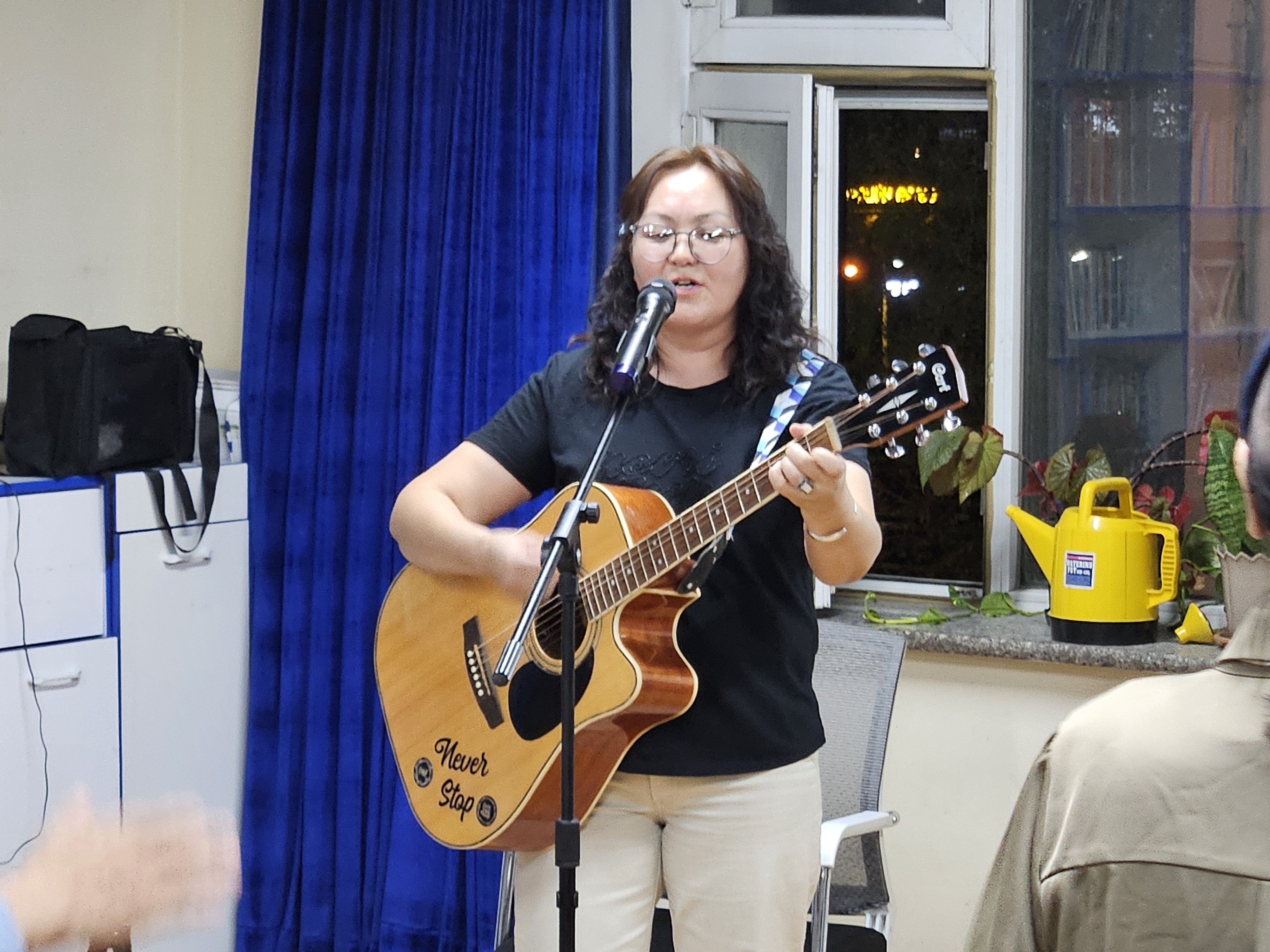
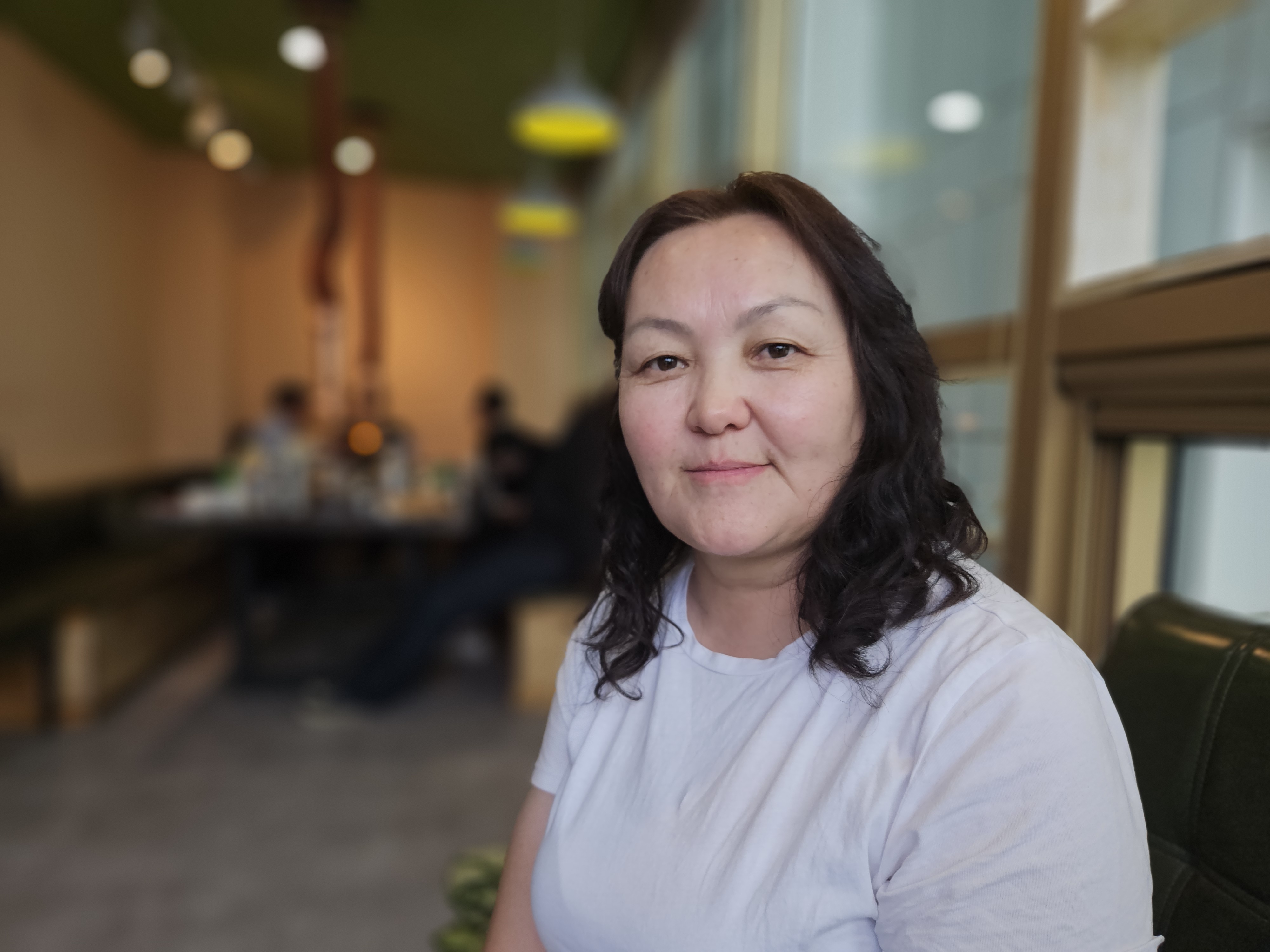
The story of Bayarmaa, UBNK’s current leader, captures the character of the group.
Around the age of seventeen, she went to a Youth With A Mission (YWAM) base to learn English and profoundly encountered God. Through YWAM’s Discipleship Training School (DTS), she began to dream of missions, but her heart was set on Central Asia, on countries such as Kazakhstan. She had no interest in North Korea and no burden for it.
When the prayer meeting was going through a difficult season, and she was asked to take on leadership, she hesitated. But through mission training and steady seasons of worship and prayer, a love for North Korea began to grow in her heart. After she laid down her own plans in obedience, UBNK came alive again as a community in which Mongolian believers stand as its owners.
Looking Across the River
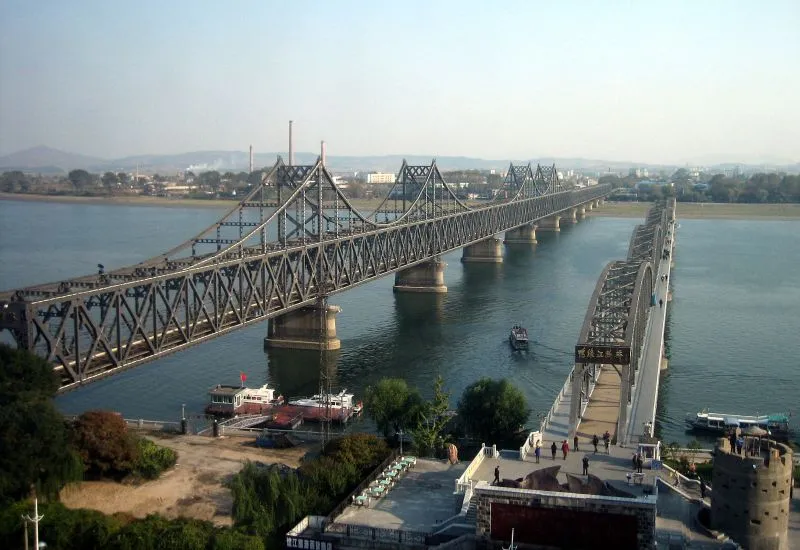
UBNK’s prayers do not stay inside a small room in Ulaanbaatar. Its intercessory team traveled to the China–North Korea border and prayed while looking across the river into North Korean territory. They also climbed Mount Paektu, gazing over the northern part of the Korean Peninsula as they prayed for the people of that land.
Seeing with their own eyes a country they had only known as a prayer request changed the way they prayed. Just across the river, close enough to almost touch, people were living their lives. That scene came back with them to the Wednesday evening gatherings and became prayer that is more specific and more earnest.
Raising Workers from the Place of Prayer
UBNK is rooted in its regular Wednesday prayer meeting. Attendance grows to dozens during seminars, but at the heart of the movement is a small group of about fifteen who faithfully show up every week.
Their vision does not end with gathering to pray. They long to see workers raised from this place of prayer who deeply understand North Korea’s realities and spiritual condition. They also hope that one day Mongolian believers will be sent out to serve North Korea. This is both their vision and their prayer.
Comments 0
Please log in to write a comment.