
People with Severe Disabilities Enjoy Culture Too — Independent Living Solidarity and London Record Realize Cultural Rights Through Accompanied Musical Outing
Translated from Korean by AI.
"From Departure to the Journey Home: Full Cultural Enjoyment Made Possible Through One-on-One Accompaniment"
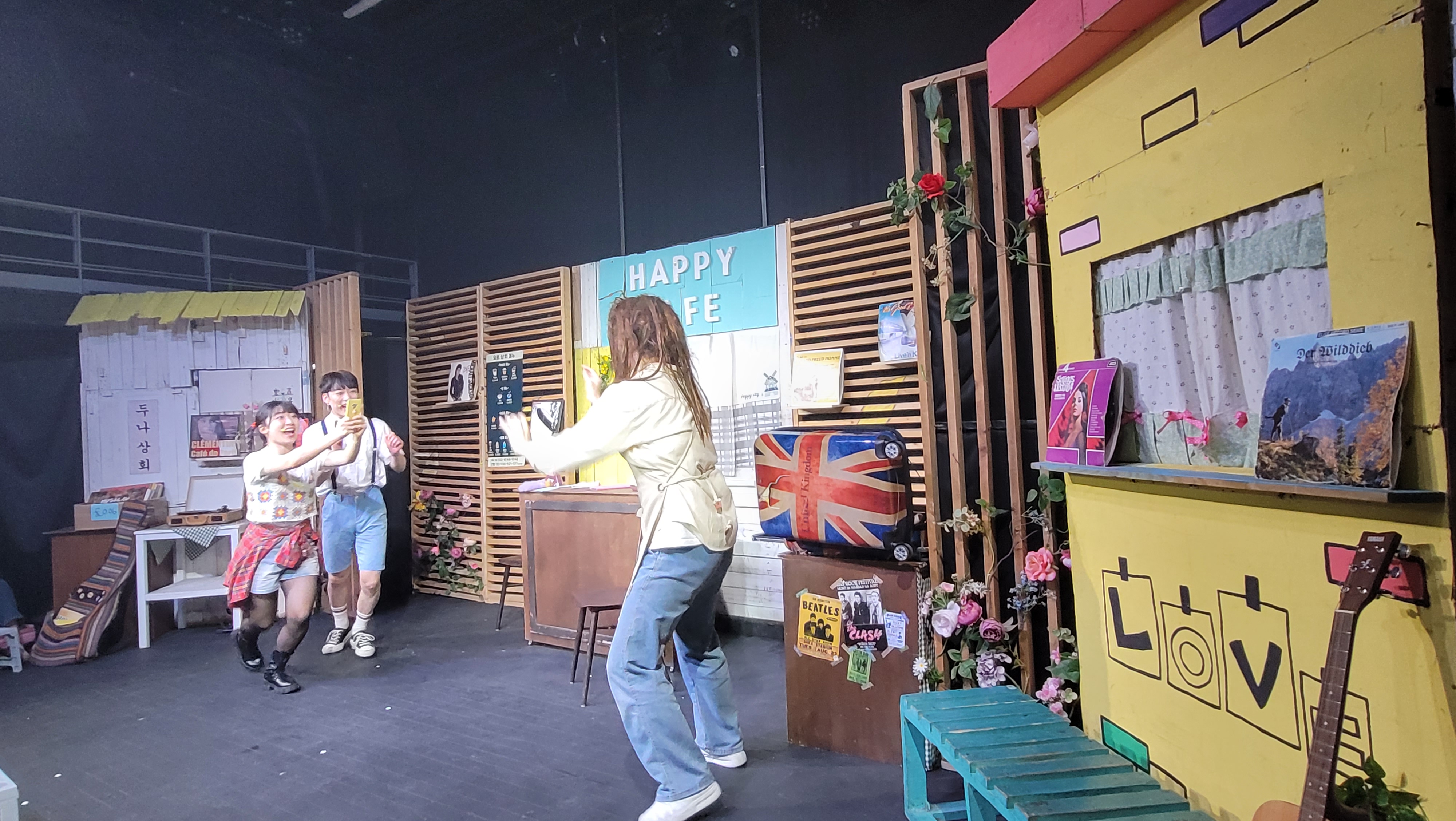
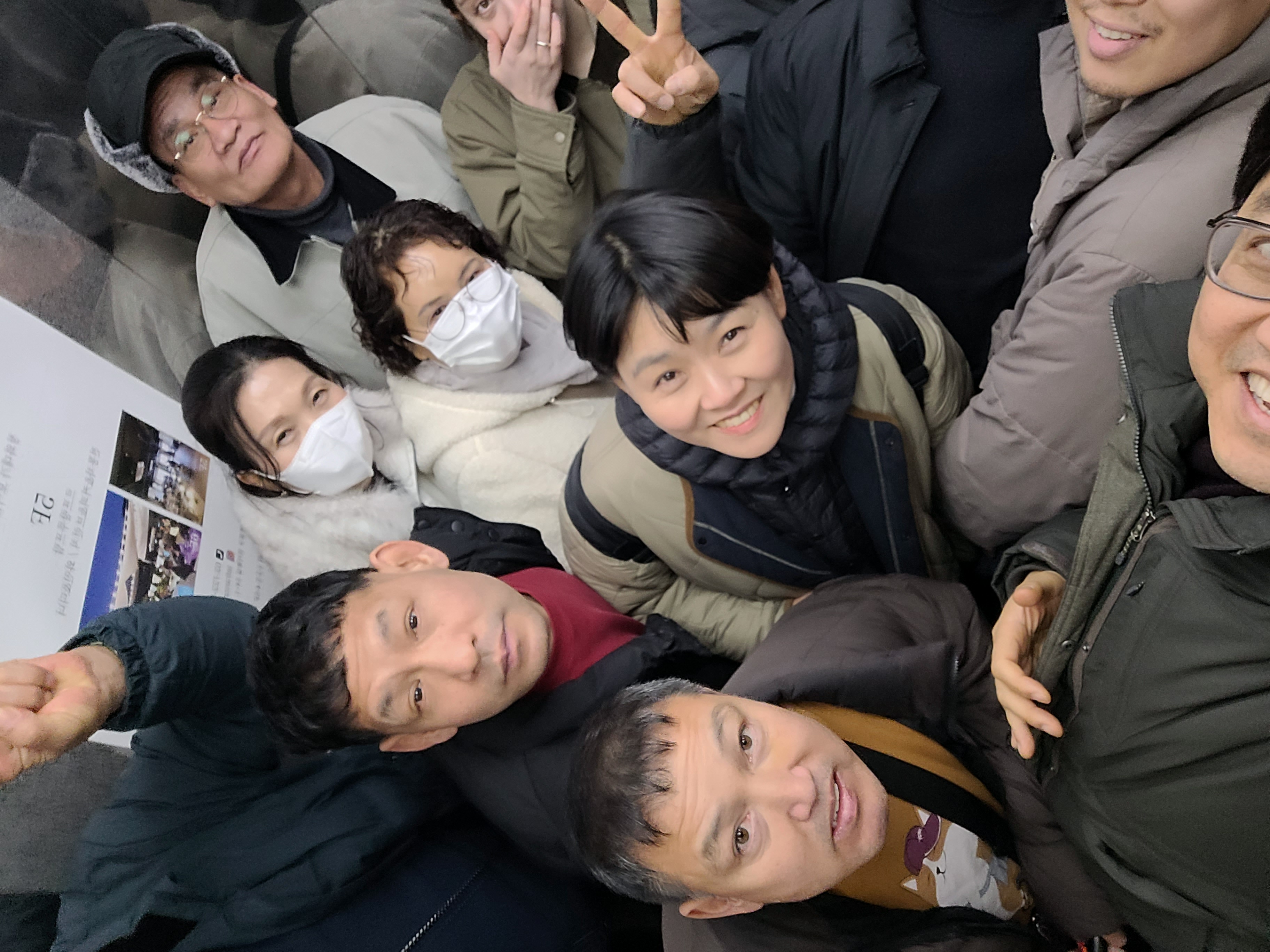
Solidarity for Independent Living of People with Severe Disabilities (hereafter "Independent Living Solidarity") and the musical theater company London Record have joined hands to successfully complete an accompanied performance outing aimed at realizing the right of people with severe disabilities to enjoy culture. Six volunteers provided close, hands-on support throughout the entire process, from the point of departure to the journey home, for Independent Living Solidarity members made up of five service users with disabilities and one non-disabled staff member, presenting an exemplary case of full social participation that goes beyond simply attending a show.

Cultural Rights for People with Disabilities Are a Right, Not a Favor
Cultural participation by people with disabilities is a fundamental right explicitly guaranteed by international human rights norms. Article 30 of the UN Convention on the Rights of Persons with Disabilities (CRPD) stipulates that "States Parties recognize the right of persons with disabilities to take part on an equal basis with others in cultural life," and makes taking appropriate measures to this end an obligation of the state (United Nations, 2006, Art. 30). In reality, however, people with severe disabilities in Korea have been structurally excluded from cultural life by a combination of barriers, including restricted mobility, inadequate accessibility facilities, and insufficient personal assistance (Kim, 2012, p. 47).
Through his "minority model," Hahn (1986) emphasized that the exclusion experienced by people with disabilities stems not from individual functional limitations but from failures in the design of the social environment, and that guaranteeing accessibility is itself the realization of rights (p. 128). This event was a case of putting exactly that principle into practice on the ground.
Event Overview: Seamless Accompaniment from Departure to the Journey Home
The outing began with a meeting at Solidarity for Independent Living of People with Severe Disabilities at 5:10 p.m., followed by the musical performance from 7 to 9 p.m. and seeing participants off on their way home afterward, spanning roughly four to five hours in total. A total of 12 people (five service users with disabilities, one non-disabled staff member, and six volunteers) took part, with travel, viewing, and meal support seamlessly linked together.
Travel support before the performance was tailored to each user's mode of transportation and circumstances. Participants with disabilities who had no difficulty using public transportation were each matched one-on-one with four volunteers and traveled to the venue by subway. Participants with limited mobility used a dedicated call taxi service for people with disabilities, with two volunteers accompanying them and assisting with boarding.
Support during the performance was provided through one-on-one seating. Volunteers assisted with ordering and eating food during the meal time held in the course of the show, and stayed right beside users to look after their safety whenever they needed to leave their seats, including trips to the restroom.
Support for the journey home after the performance was likewise carefully tailored to individual circumstances. Some participants traveled by subway together with two volunteers, while for those with limited mobility, two volunteers confirmed on site that they had boarded their disability call taxis, helping ensure they got home safely.

Where the Independent Living Movement and Cultural Rights Intersect
Independent Living Solidarity, the organizer of this event, is an organization that puts into practice the ideals of the Independent Living (IL) movement. The IL movement centers on the philosophy that people with disabilities should be able to live in their communities with the power to make their own decisions, without depending on the care of institutions or their families (DeJong, 1979, p. 435). Cultural participation is one of the core elements of independent living; Mactavish and Schleien (2004) empirically confirmed that participation by people with disabilities in community leisure and cultural activities contributes directly to building social capital, enhancing self-efficacy, and improving quality of life (p. 131).
Integrated cultural participation alongside non-disabled people, as in this event, is particularly meaningful in that, unlike segregated disability-only programs, it is a tangible realization of social inclusion. Hall (2009) reported that integrated cultural participation has positive effects in strengthening a sense of community belonging among people with disabilities and reducing social stigma, analyzing it not merely as an accessibility issue but as a key indicator of social integration (p. 222).
The Potential Demonstrated by Private-Sector Collaboration
This event is noteworthy as a case of voluntary collaboration between a disabled people's organization and a private performing arts company, rather than an initiative led by the national or local government. While support from public institutions has institutional limitations, voluntary solidarity in the private sector can respond far more flexibly to the individual needs of users. The careful individualization of each user's mode of transportation, number of companions, and way of returning home at this event is concrete evidence of that flexibility.
Putnam (2000) argued that social capital is formed more abundantly through horizontal civic solidarity than through vertical institutions (p. 19), and the cooperative structure among Independent Living Solidarity, London Record, and the volunteers can be interpreted as an example of this in practice.
Remaining Challenges
For a single successful accompanied outing to lead to structural change, institutional support is needed. Under the current personal assistance service system for people with disabilities, the allocation of assistance hours for cultural and leisure activities is markedly limited compared with support for medical care and daily living (Ministry of Health and Welfare, 2023, p. 14), and competition for advance reservations of disability call taxis and the shortage of vehicles in operation have also been pointed out as ongoing problems (Lee, 2019, p. 88).
It is hoped that this event will spur more active public discussion so that cultural enjoyment for people with severe disabilities can take root as an everyday right rather than a one-time event.
This article was written based on event materials provided by Solidarity for Independent Living of People with Severe Disabilities and the London Record theater company.
References
DeJong, G. (1979). Independent living: From social movement to analytic paradigm. Archives of Physical Medicine and Rehabilitation, 60(10), 435–446.
Hahn, H. (1986). Public support for rehabilitation programs: The analysis of U.S. disability policy. Disability, Handicap & Society, 1(2), 121–137. https://doi.org/10.1080/02674648666780121
Hall, T. (2009). Representation, responsibility, and the politics of diversity in arts organizations. Nonprofit and Voluntary Sector Quarterly, 38(2), 214–237. https://doi.org/10.1177/0899764007312712
Kim, Gyeong-mi. (2012). The current state of community participation among people with severe disabilities and challenges ahead. Disability & Employment, 22(3), 35–62.
Mactavish, J. B., & Schleien, S. J. (2004). Re-injecting spontaneity and balance in family life: Parents' perspectives on recreation in families that include children with developmental disability. Journal of Intellectual Disability Research, 48(2), 123–141. https://doi.org/10.1111/j.1365-2788.2004.00502.x
Ministry of Health and Welfare. (2023). Guide to the personal assistance service program for persons with disabilities. Ministry of Health and Welfare.
Putnam, R. D. (2000). Bowling alone: The collapse and revival of American community. Simon & Schuster.
Lee, Seon-woo. (2019). The state of mobility rights for people with disabilities and directions for policy improvement. Korean Journal of Social Welfare for the Disabled, 46, 75–101.
United Nations. (2006). Convention on the rights of persons with disabilities (A/RES/61/106). United Nations. https://www.un.org/disabilities/documents/convention/convoptprot-e.pdf
Comments 0
Please log in to write a comment.