Exploring Practical Paths for International Development Cooperation
On Thursday, October 22, the Olive Tree Center hosted the second Olive Tree Forum, bringing together development professionals, field workers, and people working toward a future in which international development cooperation can serve the people of North Korea.
Participants attended in person and online. The evening began with a lecture by Dr. Kim from Hanyang University, an expert in international development consulting associated with the SEAD Institute. Under the theme The Future of North Korea’s International Development Cooperation, he invited participants to look beyond the theory of development and consider what it takes to turn ideas into projects that can work in practice.
The lecture was followed by an open discussion in which participants shared their perspectives, raised concerns, and drew on their own experiences in the field. The central question was not simply whether development cooperation is possible, but how it can be designed, implemented, and sustained in the challenging reality of North Korea.
Starting with the Basics: What Is Development?
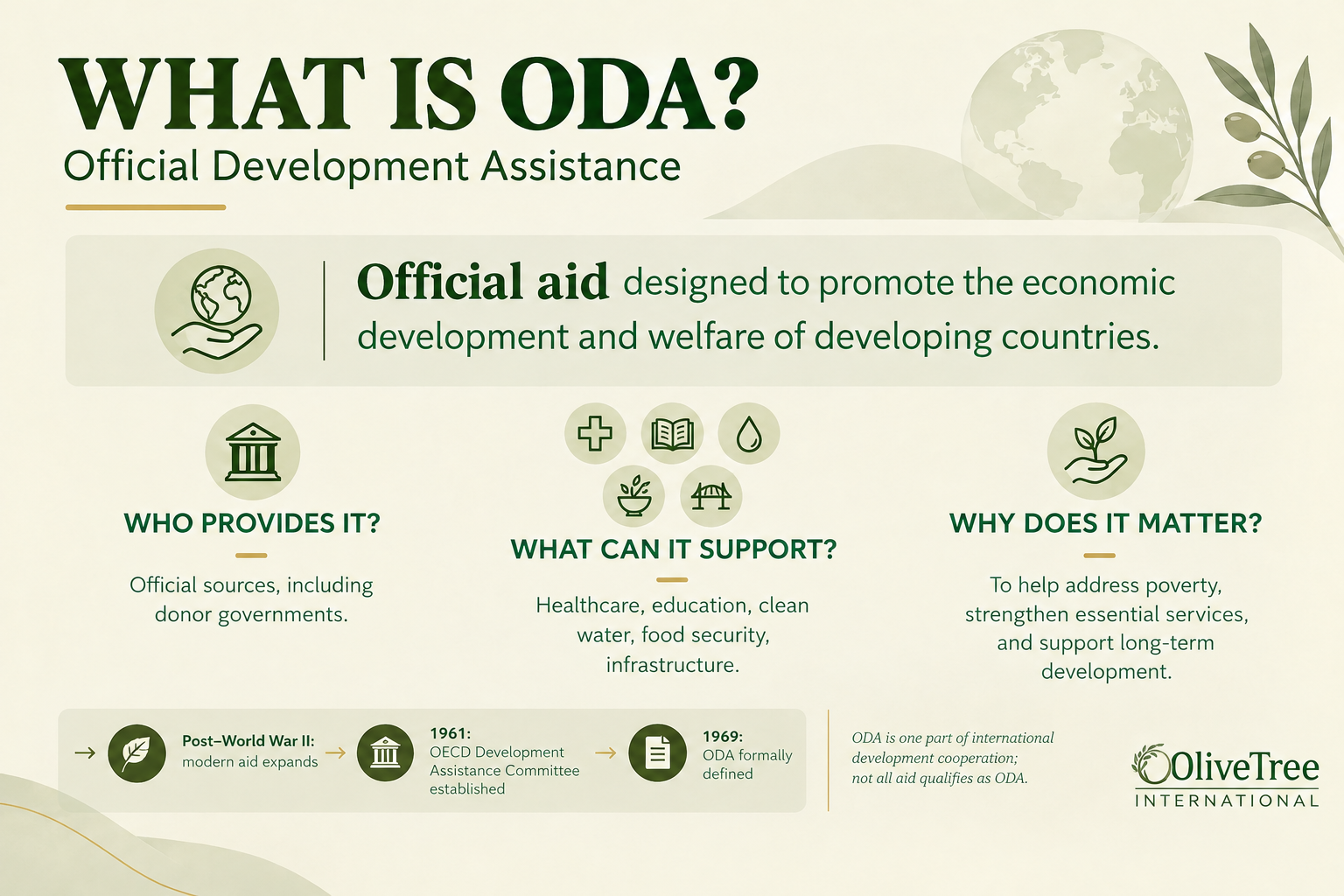
Long before international development became a formal field, churches and missionaries were already reaching communities far from home, establishing schools, providing healthcare, and supporting people in need. Over time, these efforts became part of a much broader international system. After World War II, large-scale reconstruction and assistance programs helped shape modern development cooperation. In 1961, the OECD established its Development Assistance Committee (DAC), bringing donor countries together to coordinate their aid efforts. In 1969, Official Development Assistance (ODA) was formally defined, creating a common framework for government assistance aimed at promoting development and improving people's welfare. Since then, international development has grown into a global field involving governments, international organizations, NGOs, and local communities. The United Nations has also identified Least Developed Countries (LDCs), recognizing countries facing serious structural barriers to development and calling for greater international support.
Yet, after decades of development initiatives and trillions of dollars in assistance, a difficult question remains: Why do so many communities continue to struggle with poverty, hunger, displacement, and humanitarian crises? Researchers and practitioners have spent decades developing theories and approaches to answer this question, but Dr. Kim's lecture raised a more fundamental point. Despite changes in the world and the many lessons learned over time, people continue to face familiar problems. Conflicts persist, human suffering continues, and societies can find themselves repeating patterns that development efforts have tried to overcome. This reality challenges us to look beyond the amount of aid provided and ask a more difficult question: what does it actually take to create lasting change?
North Korea: Where Good Ideas Meet Difficult Realities
Applying these lessons to North Korea presents particular challenges. The country’s closed environment and restrictions on access make it difficult for international organizations to assess needs independently, reach communities, and verify whether assistance has reached its intended beneficiaries. International personnel have also faced substantial limitations on travel and monitoring. Following the closure of North Korea’s borders during the COVID-19 pandemic, the United Nations country team left the country in early 2021, and the lack of access has continued to constrain its operations.
Sanctions add another layer of complexity. Although humanitarian assistance can qualify for exemptions from United Nations sanctions, organizations may still need to navigate approval procedures, procurement restrictions, banking difficulties, and other practical barriers. These challenges make long-term planning and reliable monitoring especially important.
For this reason, development cooperation in North Korea requires more than a promising project proposal. It calls for trust, long-term commitment, political neutrality, and a verifiable structure that allows organizations to assess results and understand how resources are used. Cooperation with partners from multiple countries and through multilateral channels may also help organizations manage risks that would be difficult to address independently.
The discussion highlighted an important distinction: delivering immediate humanitarian assistance and building longer-term development programs are not the same task. Both may be necessary, but each requires its own approach, partnerships, and measures of success.
Learning from Projects That Have Worked
One of the lecture’s important themes was the value of learning from existing development initiatives. Rather than beginning from scratch, organizations can study approaches that have produced useful results elsewhere and consider how their principles might be adapted to North Korea. The goal is not simply to introduce innovative ideas, but to identify approaches that can realistically be implemented and whose results can be verified.
From Open Discussion to Practical Ideas
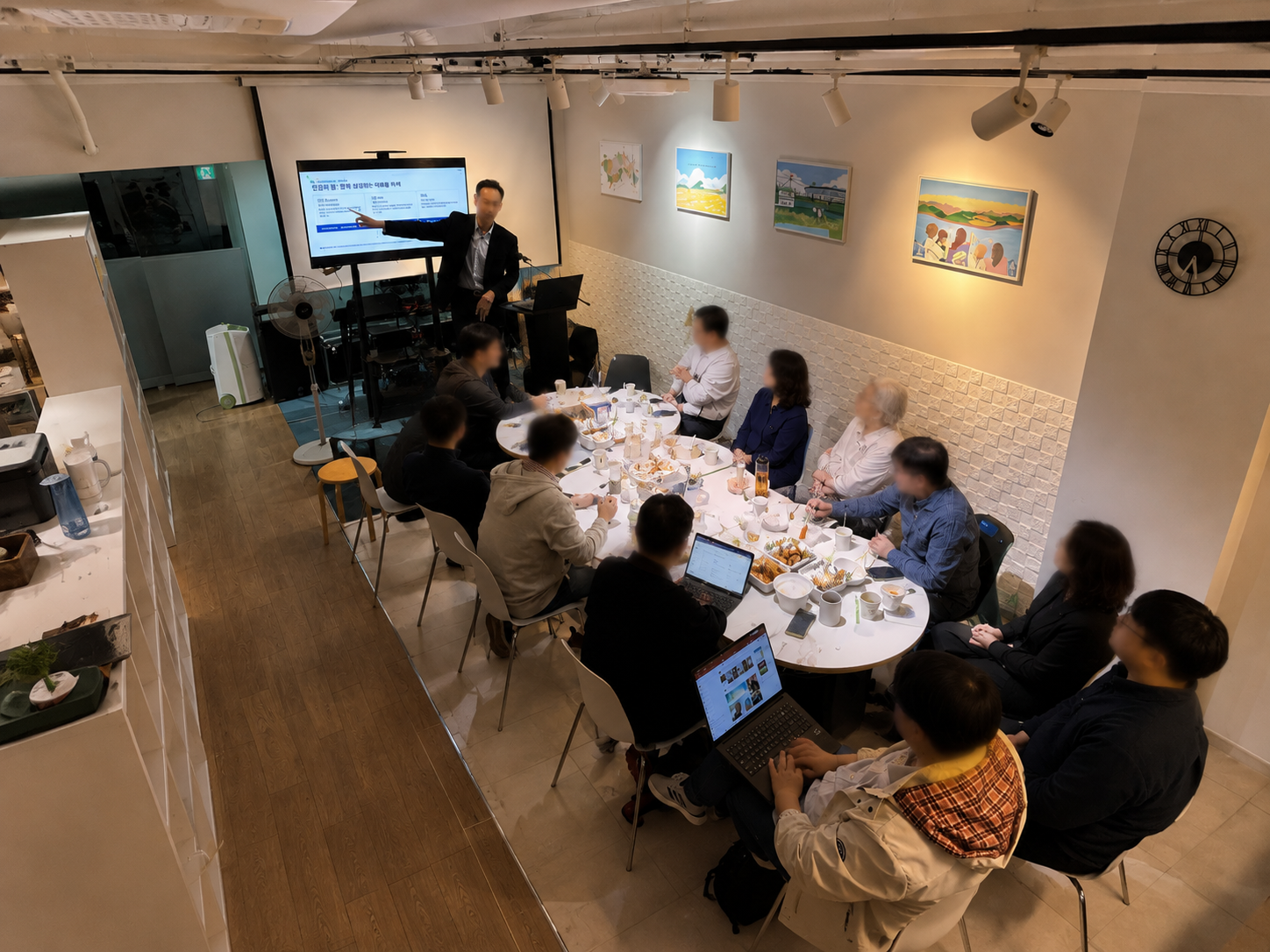
After the lecture, participants brought their own experiences and questions into the conversation. Experienced field workers shared practical insights from their work and reflected on the realities of implementing projects in North Korea. Their contributions helped connect the concepts discussed during the lecture with the decisions and challenges faced by people working in the field.
Across different perspectives, a common concern emerged: how can people move from discussing possibilities to developing practical programs that can be carried forward?
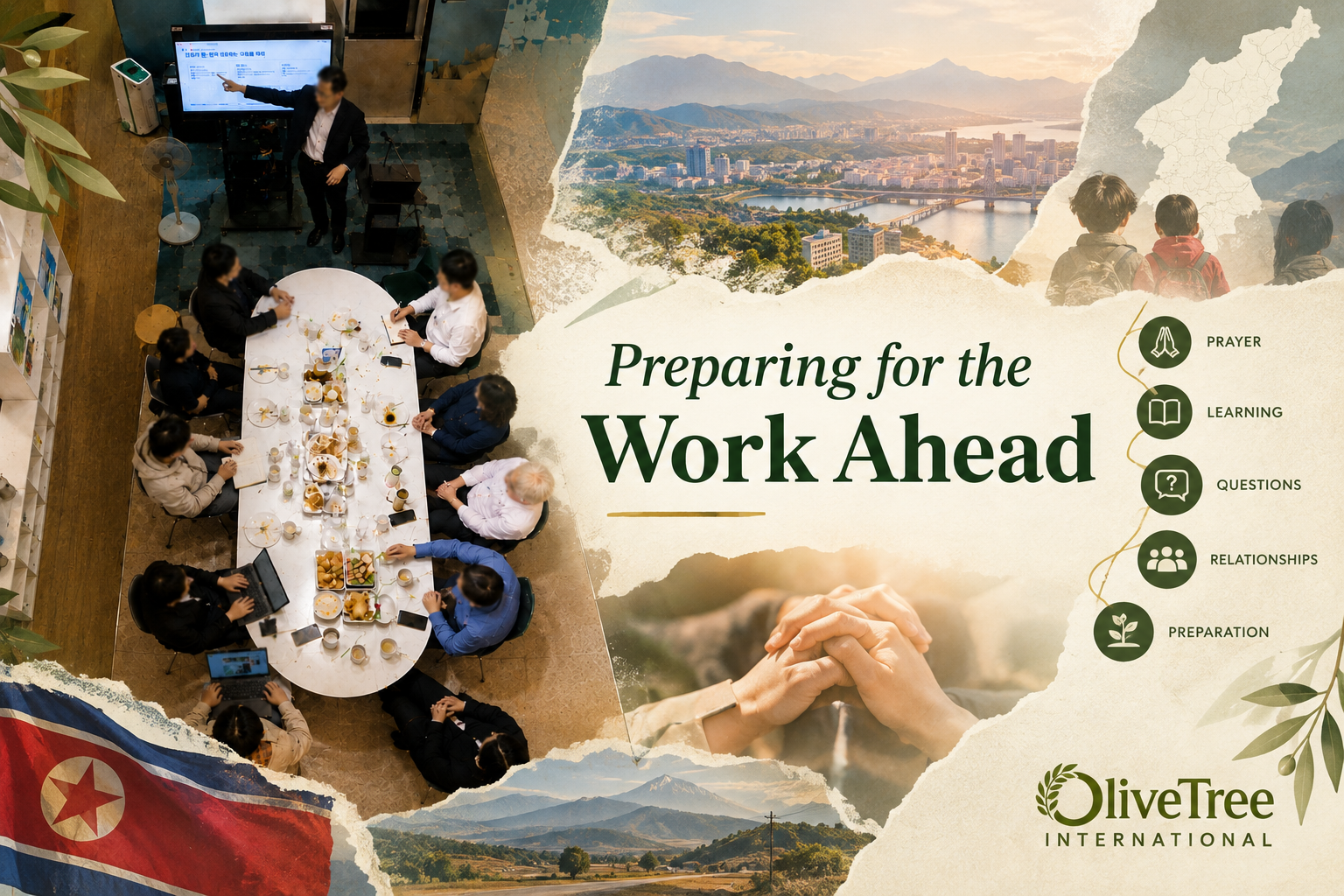
Preparing for the Work Ahead
The Olive Tree Forum was established to bring professionals and field practitioners together, creating space for knowledge, experience, and practical ideas to meet. This second gathering continued that purpose by connecting international development theory with the particular challenges of working in North Korea.
There are no simple solutions. Projects must be realistic, their results must be verifiable, and relationships of trust take time to build. Yet learning from past initiatives, listening to experienced practitioners, and creating opportunities for new ideas to emerge can help prepare the ground for future cooperation.
For those who hope to serve the people of North Korea, the work begins long before a project reaches the field. It begins with prayer, learning, asking difficult questions, building relationships, and preparing carefully for the opportunities that may come.
Through continued dialogue between development professionals, field workers, and the next generation of practitioners, Olive Tree aims to turn these conversations into practical approaches that can serve people in need.
The discussion will continue, and so will the work of preparing for a future in which international development cooperation can make a meaningful difference in North Korea.
Comments 0
Please log in to write a comment.