Children Who Went to Mongolia (2): A 21-year-old Mongolian teacher and 197 children
Translated from Korean by AI.
Autumn 1952: A Country Girl and North Korean War Orphans Arrive in Ulaanbaatar in the Same Season… The Story Left Behind by Seven Years of Coexistence
Autumn 1952: The Encounter Between a Country Girl and Unfamiliar Children
In the autumn of 1952, two groups of strangers arrived in Ulaanbaatar. One was an eighteen-year-old country girl. She was a Buryat girl from Dadal sum, Khentii aimag, in northeastern Mongolia, a village where the Balj River winds. Her name was Darimaa's Tserendulam. All she held in her hand was a 7th-grade graduation certificate. Her mother had said that she had learned enough, so she had spent two years helping with household chores. She had followed a university student from her hometown to the capital and taken the entrance exam for a pedagogical school. She had one dream: to become a teacher.
In September of the same year, another group entered the city. They were children who had traveled thousands of kilometers from the Korean Peninsula, via China and the Soviet Union. Approximately 200 North Korean children who had lost their parents in the war. A study analyzing Mongolian archival data records their number as 197.
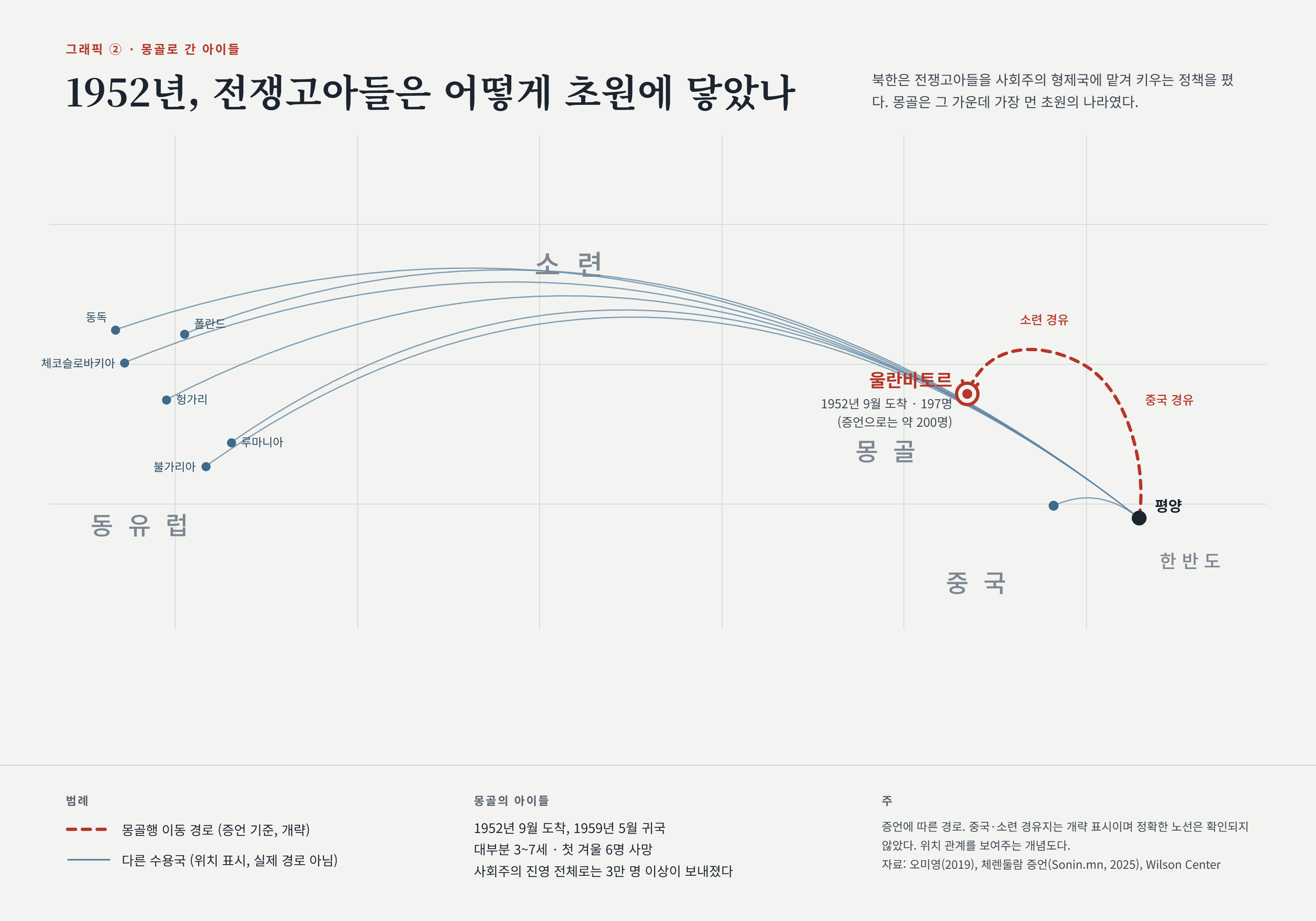
The children's arrival in Mongolia was no accident. During the war, the North Korean government implemented a policy of entrusting parentless children to 'fraternal socialist countries' for upbringing and education, with the intention of bringing them back later. Tens of thousands of children were scattered across China, Poland, Hungary, Czechoslovakia, Romania, Bulgaria, and East Germany. Mongolia was the farthest country of the steppes among them. Although their number was small compared to other countries, the children who came to Mongolia were exceptionally young. Most were between 3 and 7 years old, still at an age to seek their mothers' embrace. That autumn, the country girl and the children did not know of each other's existence. It would take another two and a half years for them to meet.
Wounded Children, the Best House in the City
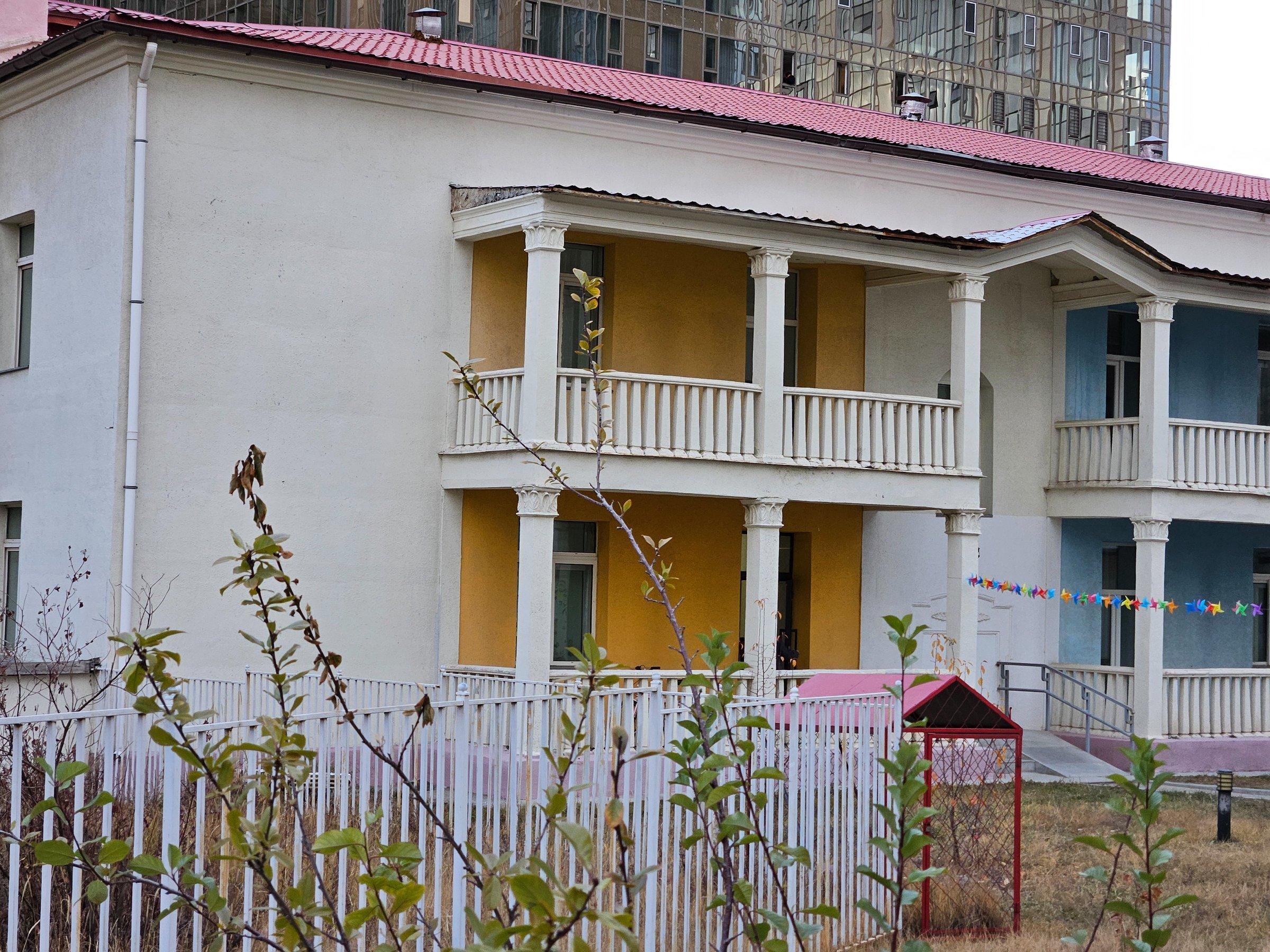
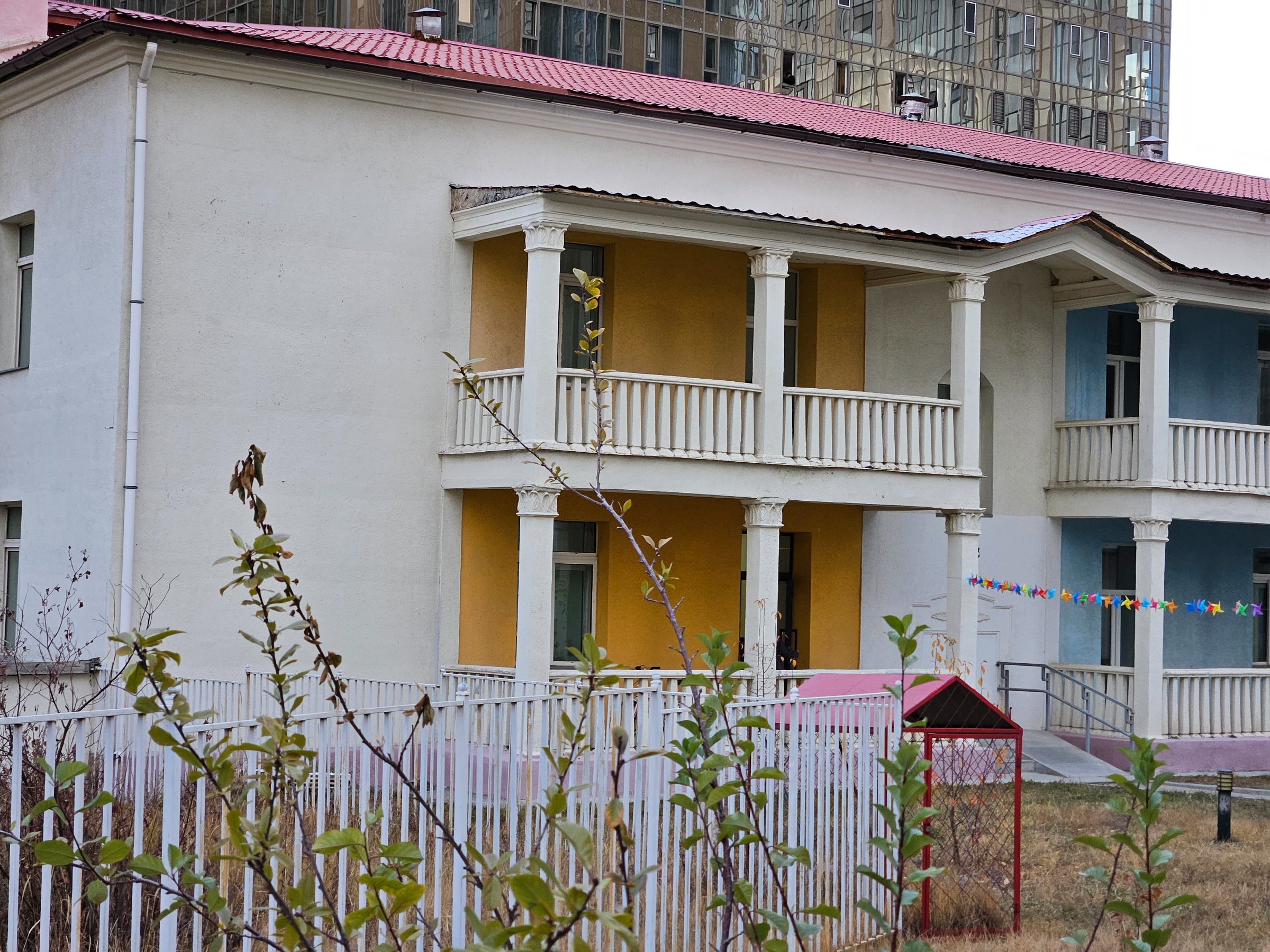
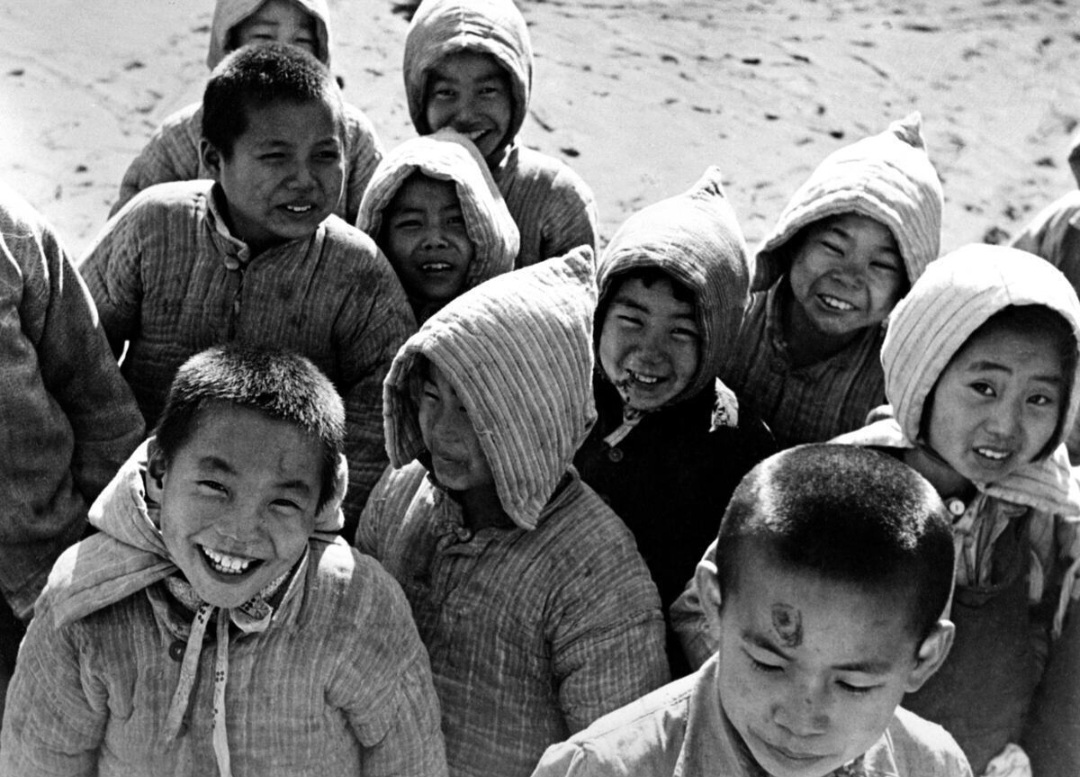
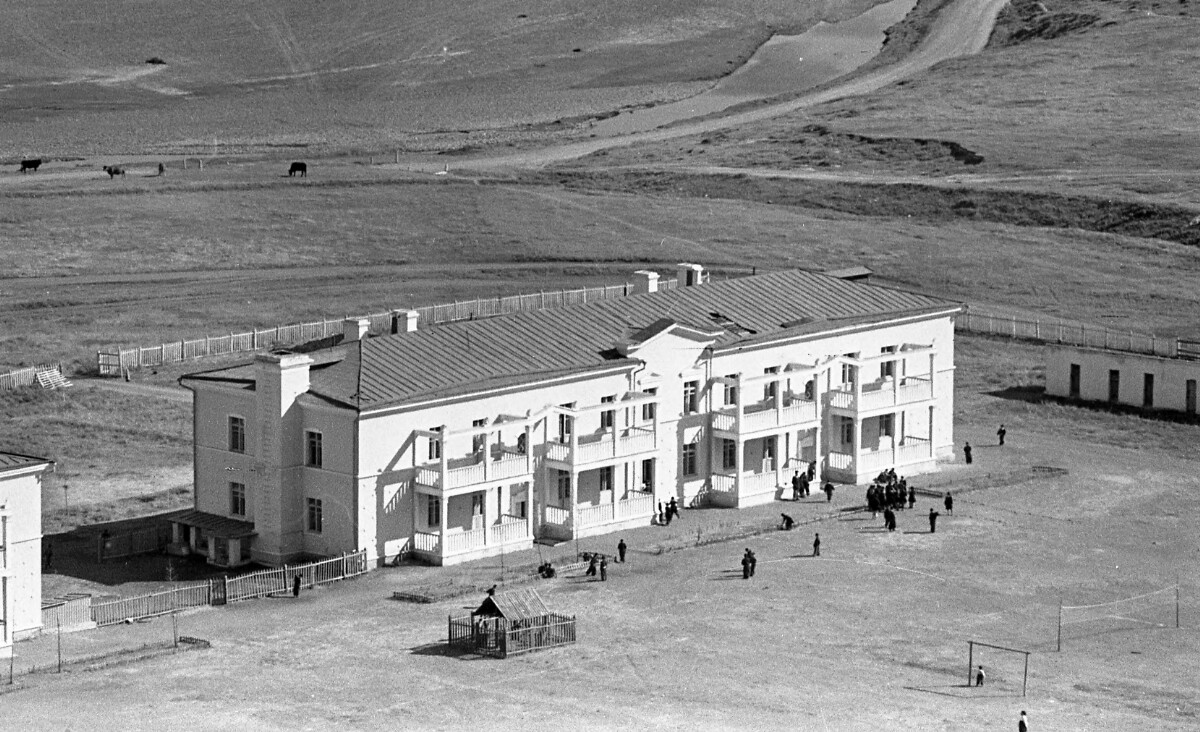
The children's initial appearance was tragic. According to what Tserendulam later told her son, the children were listless, covered in wounds, and severely emaciated. Mongolia was not a wealthy country. Its economy had not yet recovered, and people's livelihoods were tight. Nevertheless, the Mongolian government provided the children with the best house in the city. At the foot of Zaisan Hill, two buildings, specially constructed for government use and considered the cleanest and coziest in Ulaanbaatar at the time, were vacated to accommodate the children. This was the very stone building that Grandmother Toya guarded in Part 1. The first winter was harsh. Winters in Ulaanbaatar drop to -30 to -40 degrees Celsius. According to Mongolian records, six children passed away during that first winter. However, the remaining children endured.
April, Becoming a "Teacher"
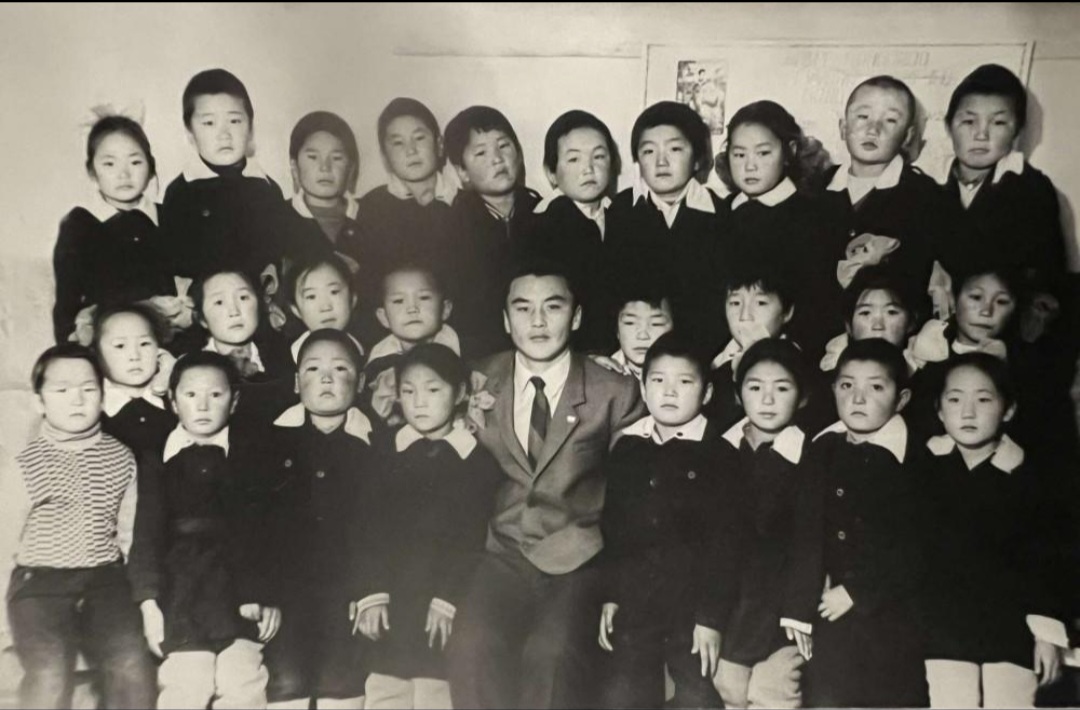
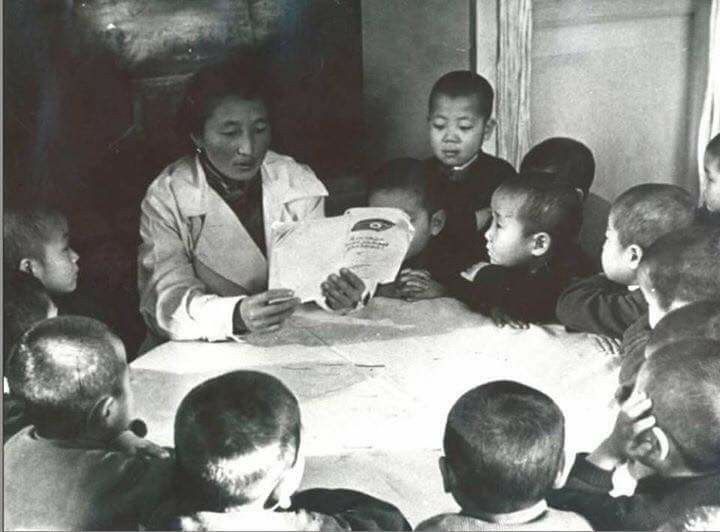
Tserendulam was a top student at the pedagogical school. In April 1955, the Mongolian Ministry of Enlightenment (Education) assigned her first post: the Korean Orphan School. A photograph of the class that the twenty-one-year-old novice teacher first took charge of still remains today. When she arrived at the school, the children were no longer those wounded children. In her son's words, they had become "strong children." This was the result of two and a half years of care, feeding, and washing by the Mongolian people. What had initially been only a kindergarten facility now had a school. Around 30 Mongolians, including teachers, childcare workers, doctors, cooks, and administrative staff, stayed by these children's side.
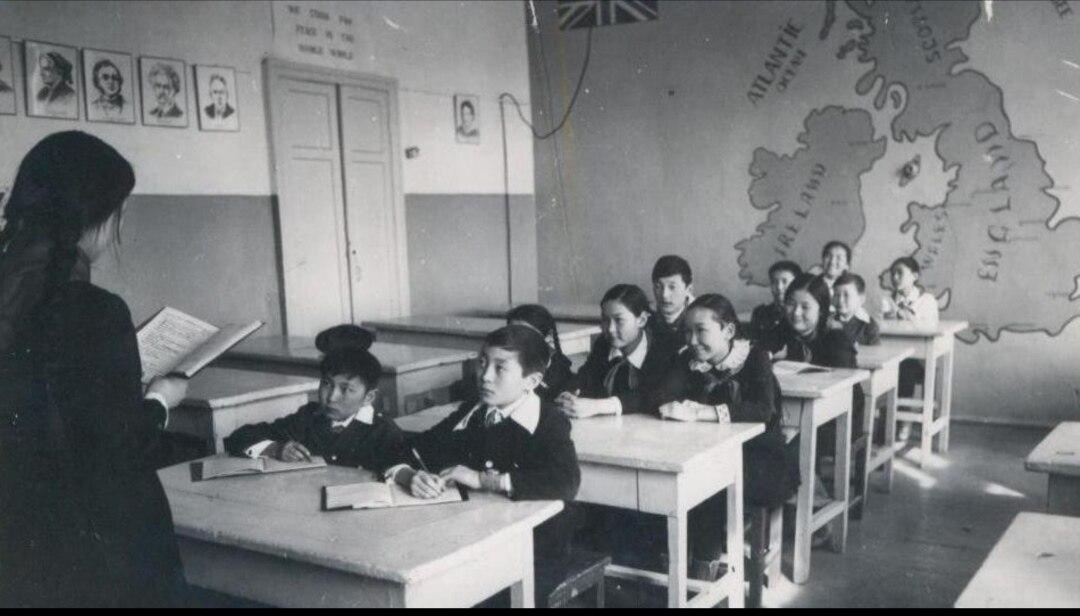
Mongolia did not merely feed and house the children. It also put effort into monitoring their health, teaching them literacy, and providing basic education. However, this education was not purely about care. The children were destined to return to their homeland someday and become 'workers for socialist construction,' and such ideological objectives were also present in the classroom.
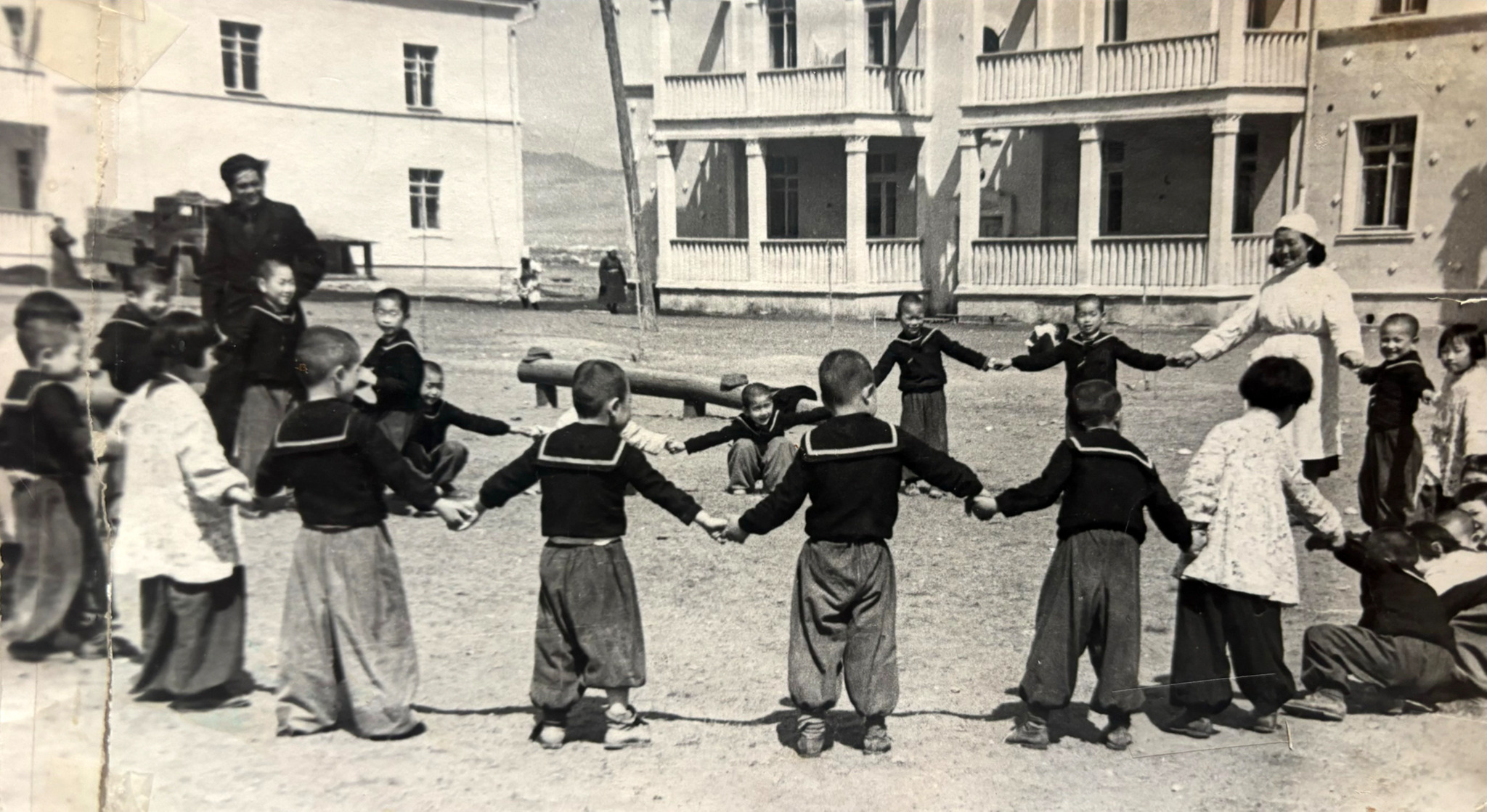
In the same year, Mongolia built a summer camp in Sharga Morit, near Ulaanbaatar. When summer came, the children left the city and went out to the steppes. Children from the war zone ran around in Mongolia's summer grasslands.
"Don't raise them to have only white hands"
In July 1956, North Korean leader Kim Il Sung came to Ulaanbaatar. He personally visited these children.
In Tserendulam's memory, Kim Il Sung expressed gratitude to the Mongolian people. He said he was pleased to see the children growing up healthy and studying thanks to the Mongolians. And he left a remark that was perhaps a request or an admonition.
"You must not raise them to be people with only white hands."
In Mongolian, 'white hands' (цагаан гартан) refers to someone who has never done hard work, someone who doesn't work. It was a message not to raise the children too delicately. In the leader's eyes, these children were not just orphans but 'workers for the homeland' who would return and work in the future. That admonition became a reality three years later.

May 1959, The Day Her First Job Ended
In May 1959, Pyongyang recalled the children. It wasn't just Mongolia. At the same time, North Korea recalled all war orphans and international students it had sent to various Eastern European countries.
Why did this happen? Researchers point to events that shook the socialist bloc in the mid-1950s. After the de-Stalinization movement in 1956, uprisings occurred in Poland and Hungary. One interpretation is that the North Korean leadership was wary of children and young people growing up abroad and breathing 'different air.' A study analyzing Mongolian archival data also views this recall as a measure to strengthen regime control. Of course, this is the researchers' interpretation. The possibility remains that other factors, such as the need for manpower for post-war reconstruction and diplomatic relations with various countries, also played a role.
The children lived in Mongolia for nearly eight years. A child who arrived at age three was now ten. They were children who spoke Mongolian, knew Mongolia's winters and summers, and remembered the faces of their Mongolian teachers. Tserendulam remained at that school until the end of the month the children left. It was her first place of work as a teacher, and thus her first job ended with the children.
After That, A Teacher's 60 Years
After the children left, Tserendulam continued her studies while working as a librarian at the National Pedagogical University. She graduated from the Department of Education in 1967 and served as the head of academic affairs at Ulaanbaatar School No. 28 without interruption for 22 years until 1991. Her classroom management methods spread to schools throughout Mongolia.
Her husband was Sh. Maamkhuu, an educational scholar and historian considered one of Mongolia's first-generation intellectuals. He became unable to walk due to a traffic accident in his youth. For 45 years, Tserendulam became the hands and feet of her husband, who was confined to a wheelchair. Instead of her husband, who wrote manuscripts while lying down, she carried those manuscripts to magazine publishers and research institutes.
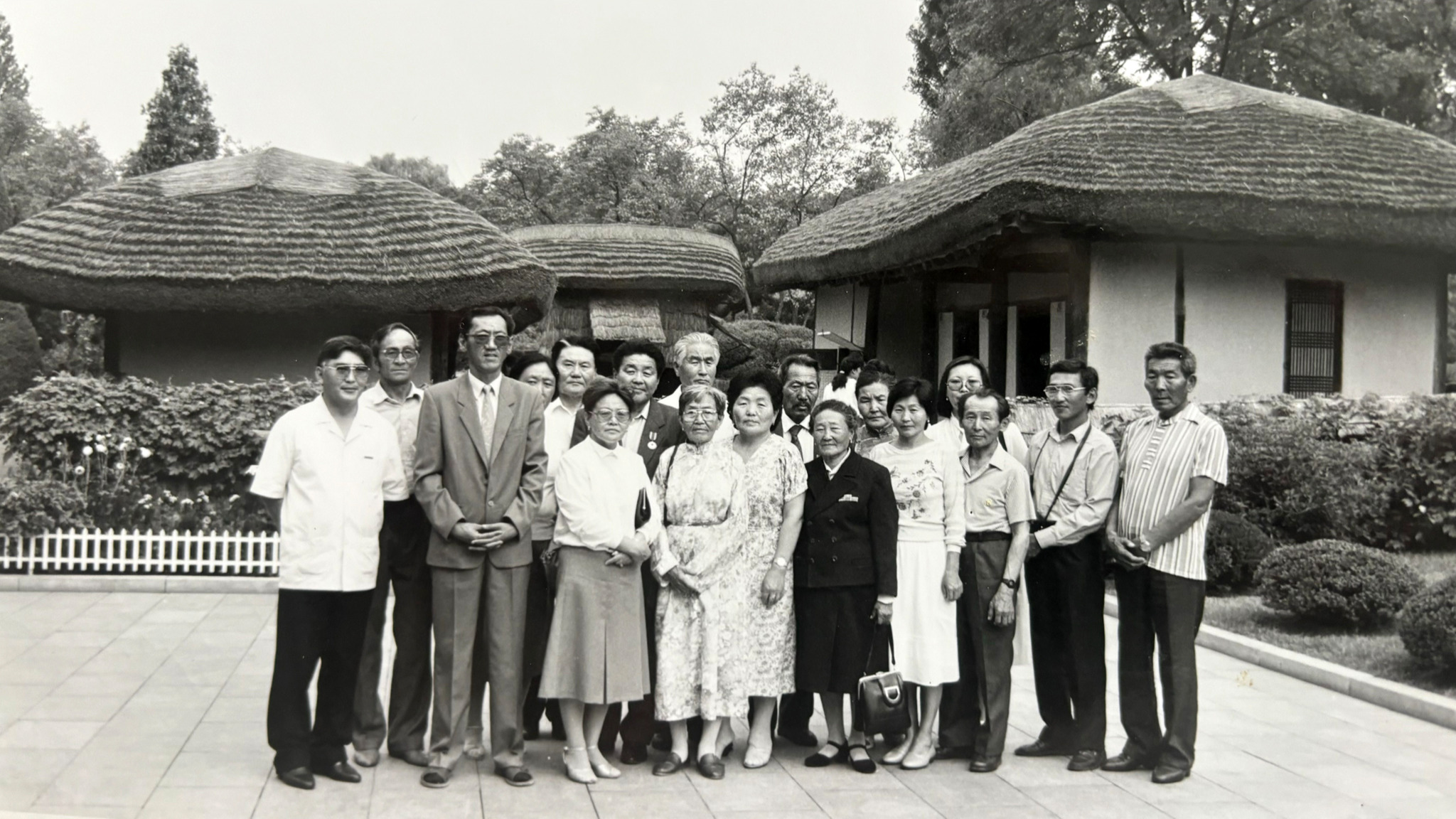
Her interview article also includes a photograph taken at the Kim Il Sung Birthplace Memorial Hall in Pyongyang. When and under what circumstances she visited there is not mentioned in the article. Did she perhaps meet her former students there? It is a question no one has asked yet.
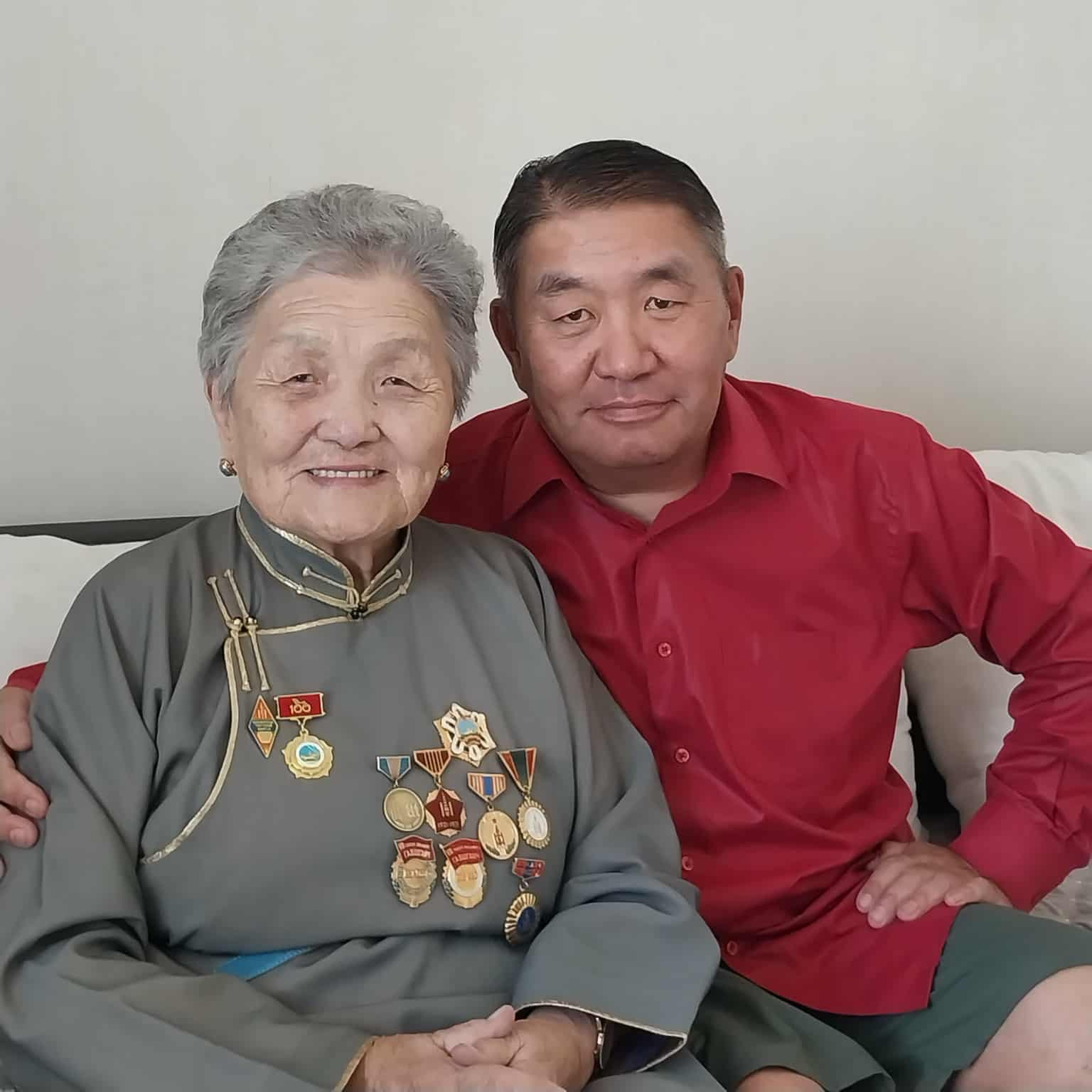
In the autumn of 2025, her youngest son, who became a pianist, spoke about his mother in an interview with a Mongolian newspaper. At that time, Tserendulam was over ninety but reportedly had a clear mind.
People Who Remember, Children Who Disappeared
It's not just Tserendulam. Even now, comments like these are posted under old Mongolian internet articles that covered this matter: "My mother was a childcare worker for those Korean children." "My uncle was the principal of that school." "The person who cooked for those children is here." In Mongolia, the memories of those who raised the children are thus passed down as part of family history.
Stories are also told of Korean children who remained in Mongolia and settled down. In 2017, a Mongolian media outlet introduced a woman named Tsermaa. She was recalled by a Korean who stayed in Mongolia and started a family as someone who raised him and other children. The photo in the article is captioned, "30 years later, with the children she raised." However, the timeline of this story does not match the children of 1952. The article states that the children arrived in 1959. Since there are records that Mongolia also took in and raised over 400 war orphans in the 1960s and 70s, Tsermaa's children might be children who came to the steppes at a different time. The connection between Mongolia and children from the Korean Peninsula may not have ended in May 1959.
However, memories from the children who came in 1952 are rarely heard. According to research, there was almost no direct interaction between the Mongolian government and the children after their return in 1959. A few later returned to Mongolian soil as staff members of the North Korean Embassy in Mongolia or as international students at Mongolian National University. The names and lives of the remaining 190 or so are still unknown to anyone. If they are alive, they are now elderly, in their late seventies to early eighties. Perhaps some of them are still recalling the face of their Mongolian teacher somewhere in Pyongyang. The red house on Zaisan Hill, and the summer grasslands of Sharga Morit. The people who crossed borders 70 years ago to embrace these children are still here. Now, only one question remains: Where are those children?
References
Sarangerel, N. (2025, October 17). Ээж минь төрүүлсэн хүүхдүүд, түшсэн ханийнхаа төлөө амьдралаа зориулсан [My mother devoted her life to the children she bore and the husband she supported]. Sonin.mn (Originally published in Зууны мэдээ). https://www.sonin.mn/newsDetail/13209
Oh, Mi-young. (2019). Oh, Mi-young. (2019). 한국전쟁 시기 북한 전쟁고아와 몽골: 몽골 문서보관소의 자료를 중심으로 [War orphans of North Korea and Mongolia during the Korean War: Focusing on documents in Mongolia archives]. Journal of North Korean Studies, 269-297. https://www.kci.go.kr/kciportal/ci/sereArticleSearch/ciSereArtiView.kci?sereArticleSearchBean.artiId=ART002551518
Archives for Cinema, Photography and Sound Recording, Mongolia. (Late 1950s). A view of the central part of Ulaanbaatar from Zaisan hill [Photograph, glass plate negative; digital copy, EAP264/1/12/3/98]. British Library Endangered Archives Programme. https://eap.bl.uk/item/EAP264-1-12-3-98
Comments 0
Please log in to write a comment.